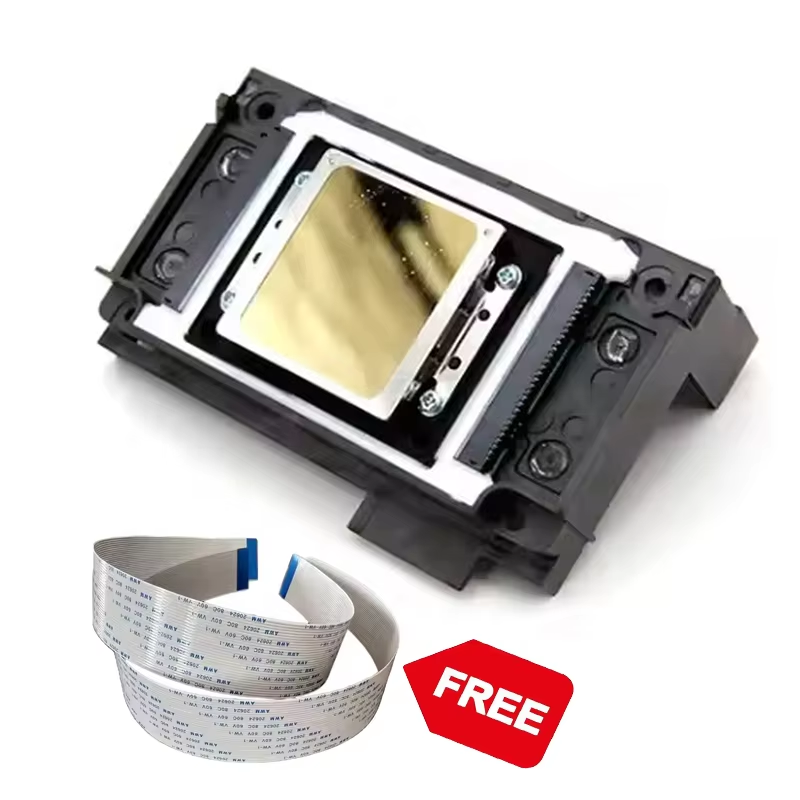
Understanding the Basics of Printing Directly onto Fabric Printing directly onto fabric, often referred to as Direct-to-Garment (DTG) printing, is a revolutionary method that has transformed the textile decoration industry. As a professional who sp...
VIEW MORE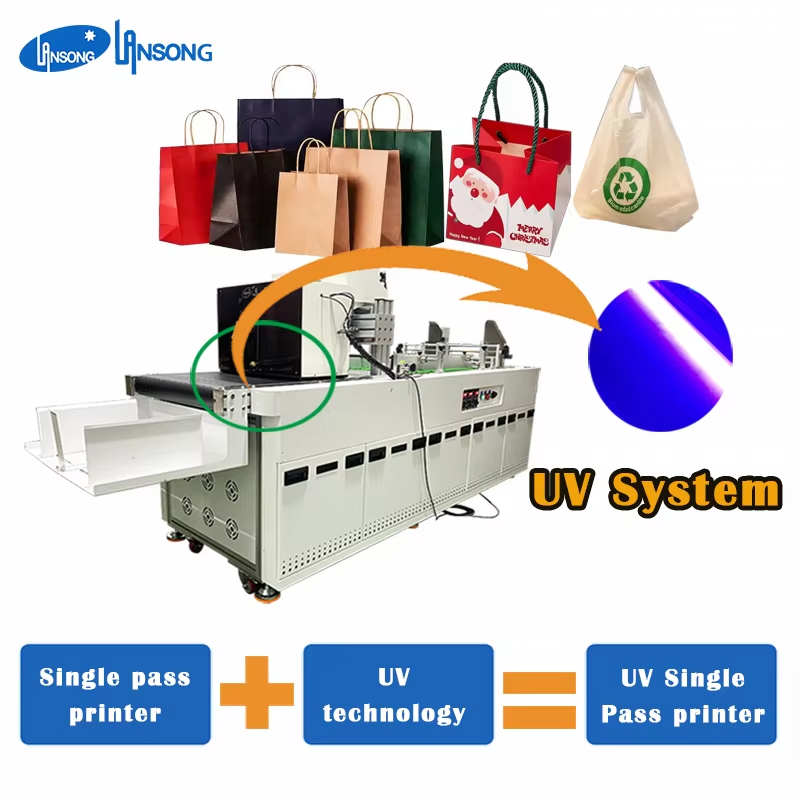
Understanding Tumbler Printing Challenges and Material Characteristics When entering the custom drinkware market, achieving stunning, long-lasting visual results on cylindrical surfaces requires an intimate understanding of both material properties...
VIEW MORE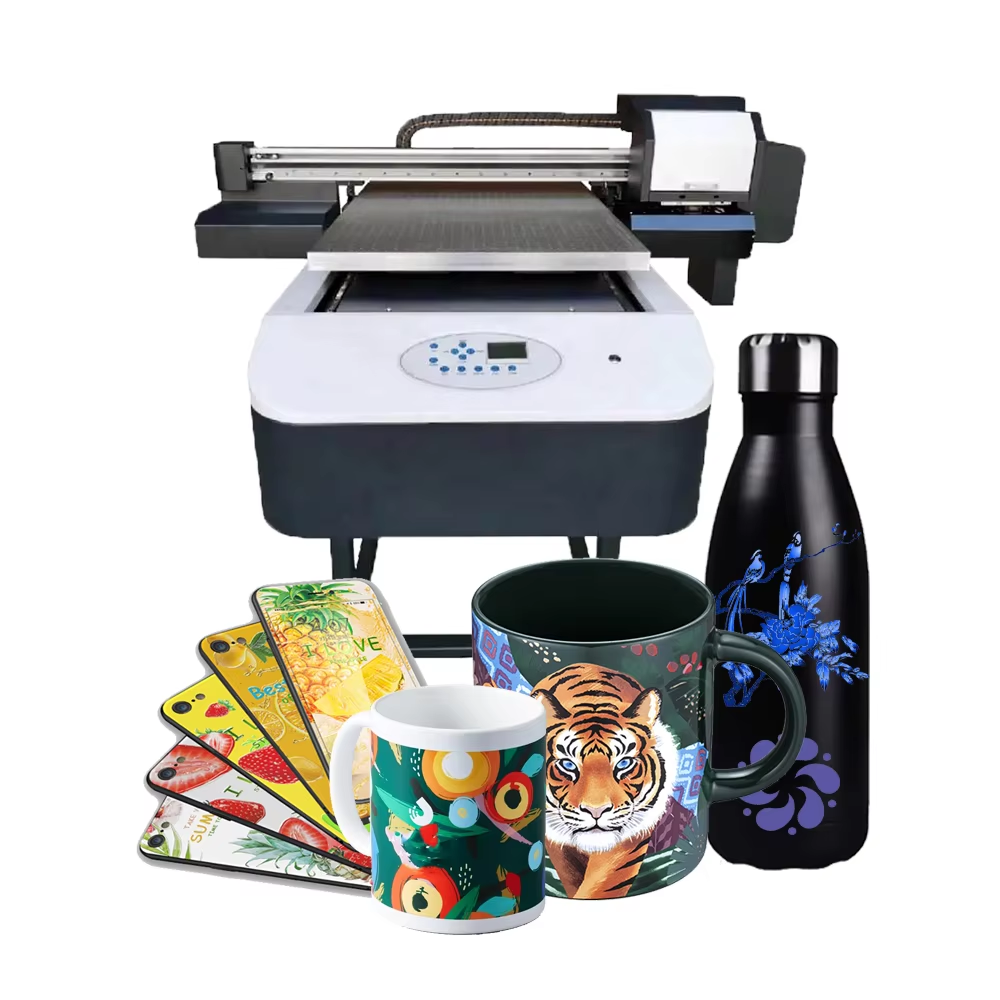
Assessing Your Production Requirements Before Buying When searching the modern industrial market for a reliable uv flatbed printer for sale, the first and most critical step is to thoroughly evaluate your specific business production requirements, ...
VIEW MORE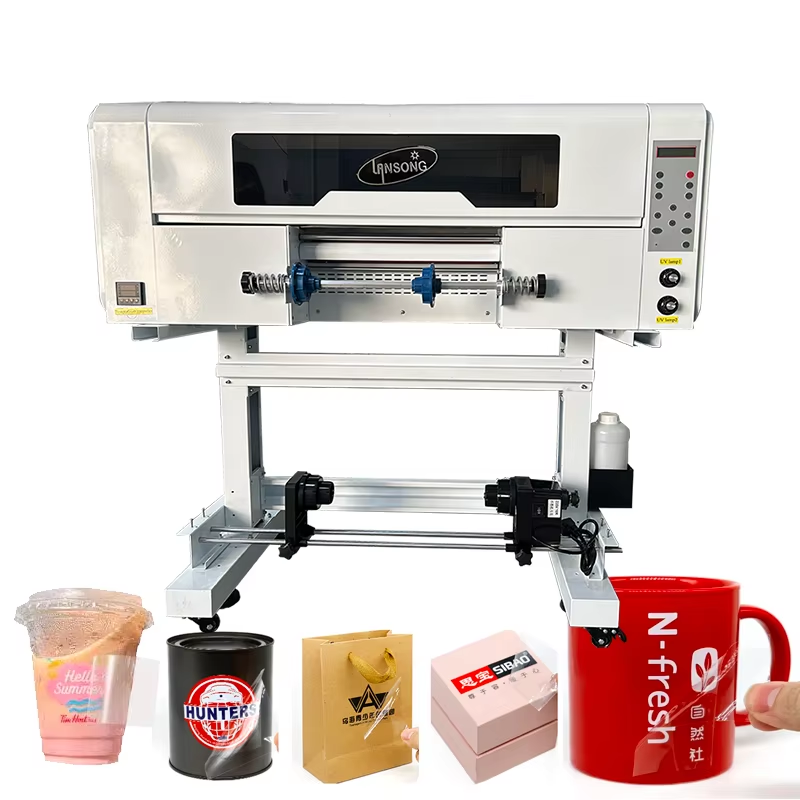
What Are the Benefits of a Printer UV A3 for Small Shops When retail store owners and independent custom printing entrepreneurs venture into personalized merchandise decoration, selecting the right equipment footprint is critical for maximizing wor...
VIEW MORE
Features to Expect in an Affordable UV Printer When small business owners and custom printing entrepreneurs step into the competitive world of digital flatbed decoration, finding a cost-effective production system is consistently the top priority f...
VIEW MORE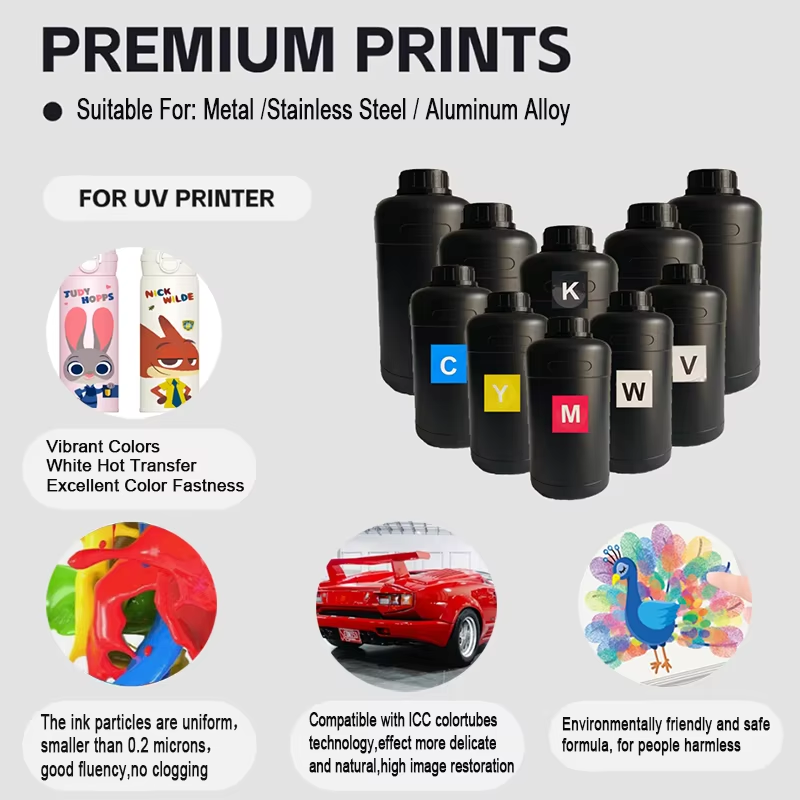
Why Color Calibration Matters in Digital Printing Every digital printer interprets color data differently. The same image file sent to two printers, or to the same printer with different ink batches or environmental conditions, can produce noticeably...
VIEW MORE
How Dye Sublimation Differs from Other Digital Printing Methods Dedicated sublimation printers operate on a fundamentally different principle from direct-to-substrate printing methods. Instead of jetting ink onto the final product surface, a sublimat...
VIEW MORE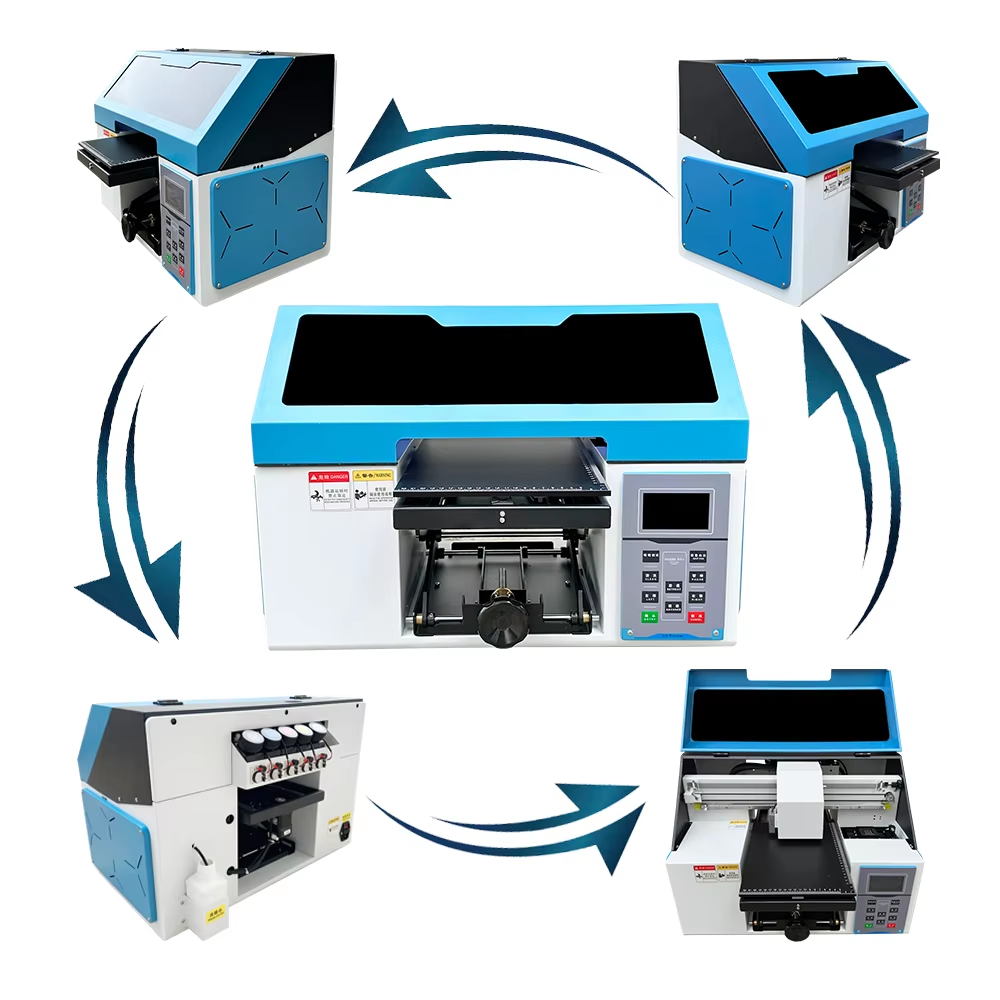
Why Glass Requires a Different Approach in UV Digital Printing Glass presents unique challenges as a printing substrate. Unlike porous materials such as paper or wood that absorb ink, glass is non-porous and has an extremely smooth surface with low s...
VIEW MORE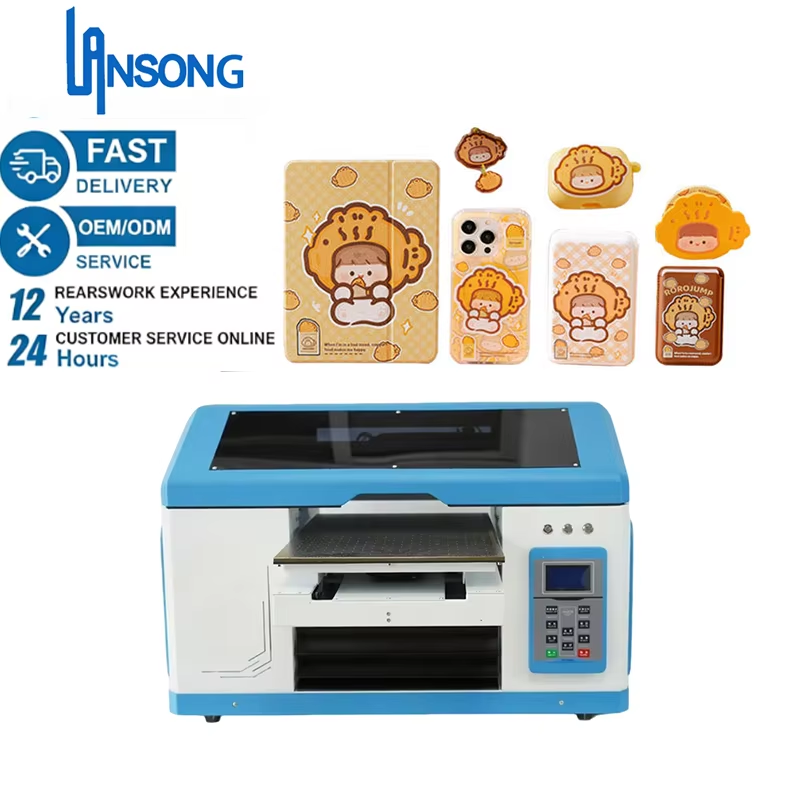
Understanding UV Curing Technology in Digital Printing A uv inkjet printer differs from conventional inkjet systems in one critical way: how the ink dries. Instead of relying on solvent evaporation or heat absorption into the substrate, UV inkjet pri...
VIEW MORE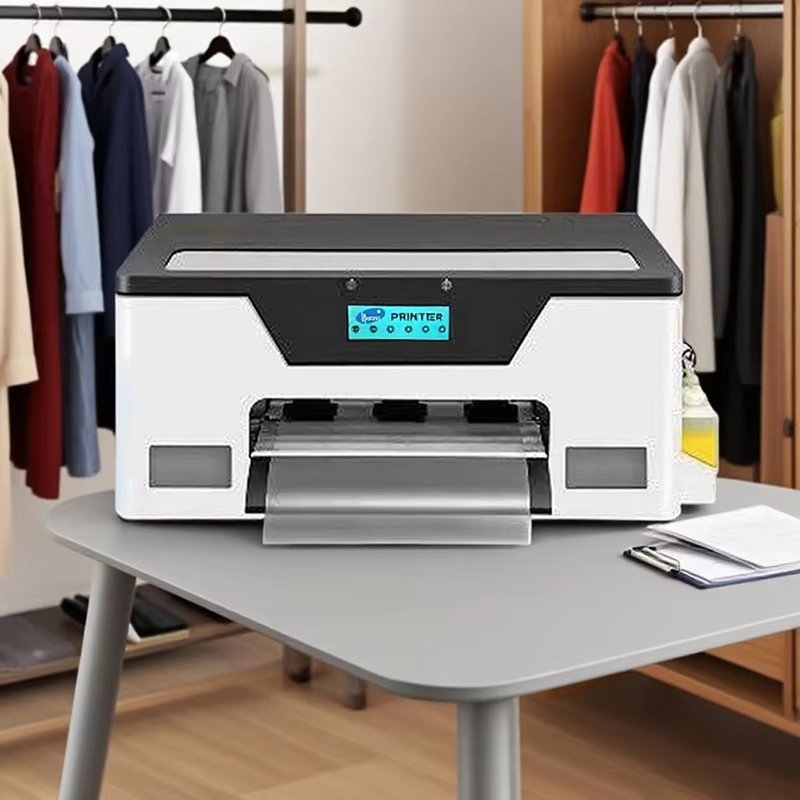
The Move from Traditional Screen Printing to Digital Direct to Fabric Printing For years, textile decorators and garment manufacturers had two main production routes: screen printing for high-volume orders or heat transfer for small batches. Screen p...
VIEW MORE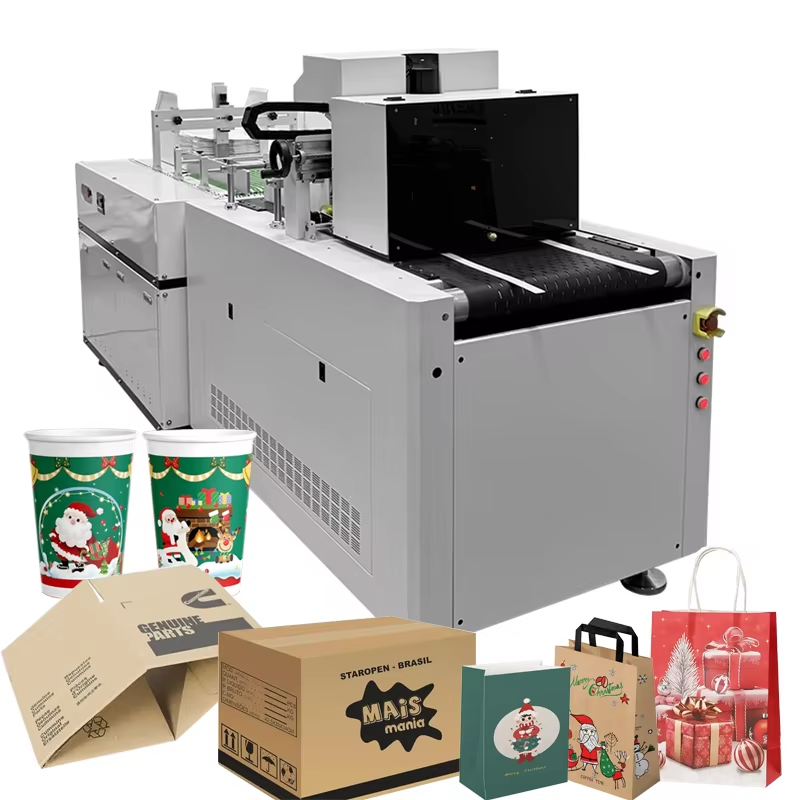
The Growing Demand for Custom Paper Bag Printing Paper bags have evolved far beyond simple carry-out containers. In today's market, a paper bag is a mobile billboard — one that travels from store shelves to streets, offices, and homes, carrying...
VIEW MORE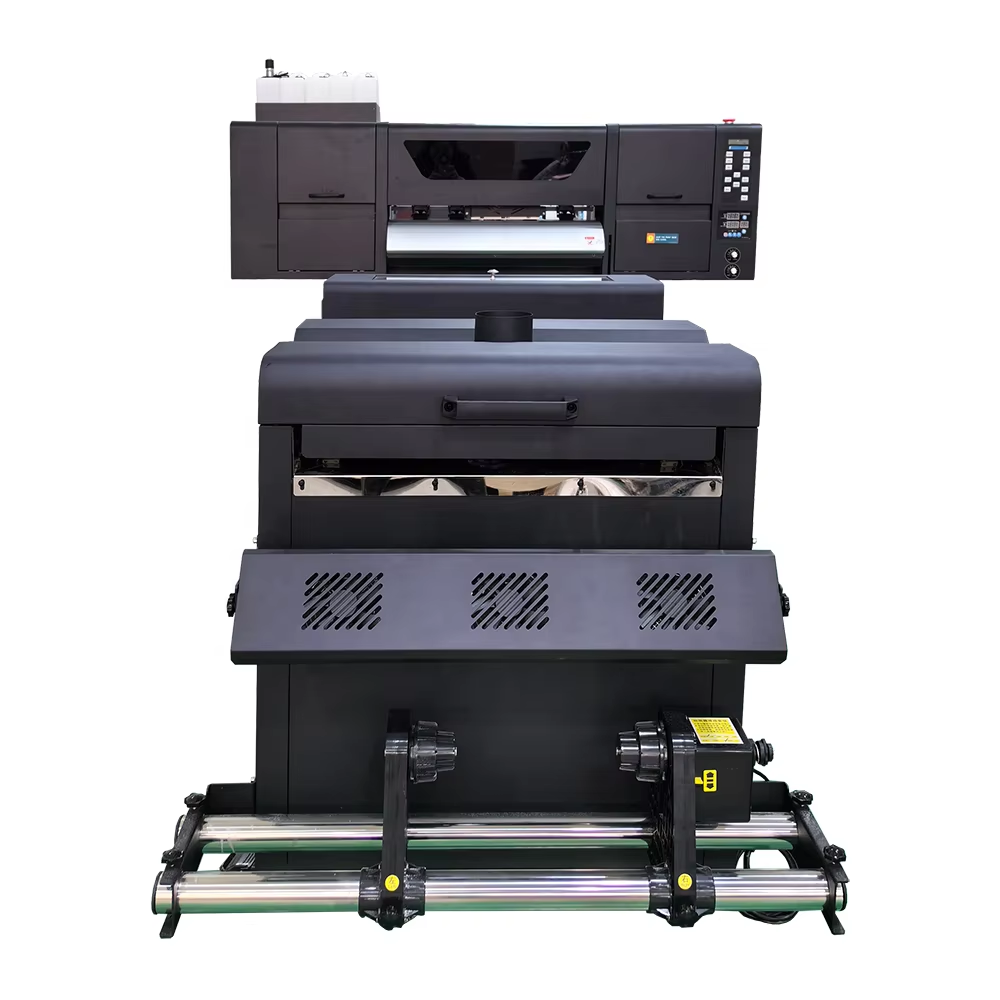
If you have ever unpacked a batch of printed garments only to find the colors look dull, shifted toward brown, or completely different from your design screen, you have experienced the most common pain point in textile decoration. Buyers and producti...
VIEW MORE
Shenzhen Shenchuangxing provides DTF, UV DTF, and flatbed printers for global print businesses. Our patented tech, strict QC, and custom configurations ensure efficiency, stability, and reliability. Trusted by clients worldwide. Request a quote today.
Room 202, Building A, No. 10, Cichang Road, Baoan Community, Yuanshan Subdistrict, Longgang District, Shenzhen, Guangdong Province, China
Copyright © 2026 by Shenzhen Shenchuangxing Technology Co., Ltd. Privacy Policy
 EN
EN