EN
EN

Understanding the Basics of Printing Directly onto Fabric
Printing directly onto fabric, often referred to as Direct-to-Garment (DTG) printing, is a revolutionary method that has transformed the textile decoration industry. As a professional who spends daily hours auditing and optimizing various printing technologies, I have found that the ability to print directly onto fabric provides unparalleled precision and versatility for both small-scale creative projects and high-volume industrial production. Unlike traditional screen printing, which often requires complex screen setups and manual labor for each color, the modern process utilizes advanced inkjet technology to apply high-quality ink directly into the textile fibers. This ensures that the final design remains incredibly soft to the touch, highly breathable, and remarkably durable, making it an ideal choice for high-quality custom apparel, promotional items, and bespoke artistic designs. When you decide to implement this technique, you are choosing a production workflow that emphasizes efficiency, allowing for the reproduction of intricate detail and vibrant color gradients that other methods simply struggle to match. When you want to print directly onto fabric, you open doors to endless creative possibilities.
Preparing Your Design for Success
The journey to achieve high-quality results starts with meticulous design preparation. Expert knowledge in color management, file resolution, and software configuration is crucial to achieve the best output. I always recommend that my clients utilize high-resolution vector files or raster images at a minimum of 300 DPI to ensure the printer can accurately interpret every single detail. When you engage in this process, the software interacts significantly with the specific weave and texture of the material; therefore, understanding how your artwork maps onto different materials is vital. For those looking to master this craft, testing your design on a small scrap piece of the exact same material can reveal how ink absorption behaves, which helps in preventing wasted resources. By carefully preparing your digital files, you ensure that the machine performs optimally, maintaining professional standards across all your production runs. Many shops find that as they print directly onto fabric, they can streamline their design-to-production pipeline significantly.
Choosing the Right Fabric and Pre-Treatment
Not all textiles are created equal, and this is a foundational aspect of professional printing. To successfully achieve high-quality results, one must carefully consider the material composition of the items. Cotton-rich fabrics generally offer the best absorption rates, which is essential when you want the ink to bond perfectly. Before any printing begins, applying a pre-treatment solution is often necessary, especially for darker garments, as this solution creates a smooth, receptive base for the ink to sit upon. If you fail to prepare your material correctly, your efforts may result in muted colors or uneven coverage. My experience dictates that a systematic approach to pre-treatment—applying the right volume of solution and allowing it to dry completely in a controlled environment—is the secret to how industry experts maintain consistent success and professional durability in their products. When you take the time to prepare, your ability to print directly onto fabric improves tremendously.
Executing the Printing Process
Once your design is finished and the fabric is pre-treated, the actual execution phase begins. This technical process is akin to using a sophisticated document printer, but with specialized textile-grade inks designed for longevity. You must ensure the fabric is laid perfectly flat and is securely fastened to the machine's platen to avoid any slight movement while the print heads move back and forth across the surface. Many professionals utilize automated systems that precisely control the volume of ink deposited, ensuring that the design does not bleed or blur. As you begin your production run, monitoring the ambient temperature and humidity levels in your workspace is also important, as these environmental factors can directly influence how fast the ink settles and cures, ultimately impacting the final quality of your custom textile goods. Operators who print directly onto fabric frequently often report that monitoring these conditions is essential for repeatability.
Curing and Finishing for Durability
The final and perhaps most critical stage of the workflow is the curing process. After the printer has completed its work, the garment must undergo a consistent heating process to bond the ink to the fibers permanently. This is typically achieved using a high-quality heat press or an industrial-grade conveyor dryer. If you print directly onto fabric but skip the proper curing phase, the design will likely wash out or fade significantly after the first laundry cycle. Industry standards dictate specific temperatures—usually around 330°F (165°C)—and specific dwell times, depending on the exact chemistry of the ink used. By adhering strictly to these technical requirements, the prints you create become wash-resistant and soft, fulfilling the demands of high-end clothing brands and discerning customers. It is clear that to print directly onto fabric is to embrace a standard of quality that modern consumers demand.
Maintaining Equipment and Troubleshooting
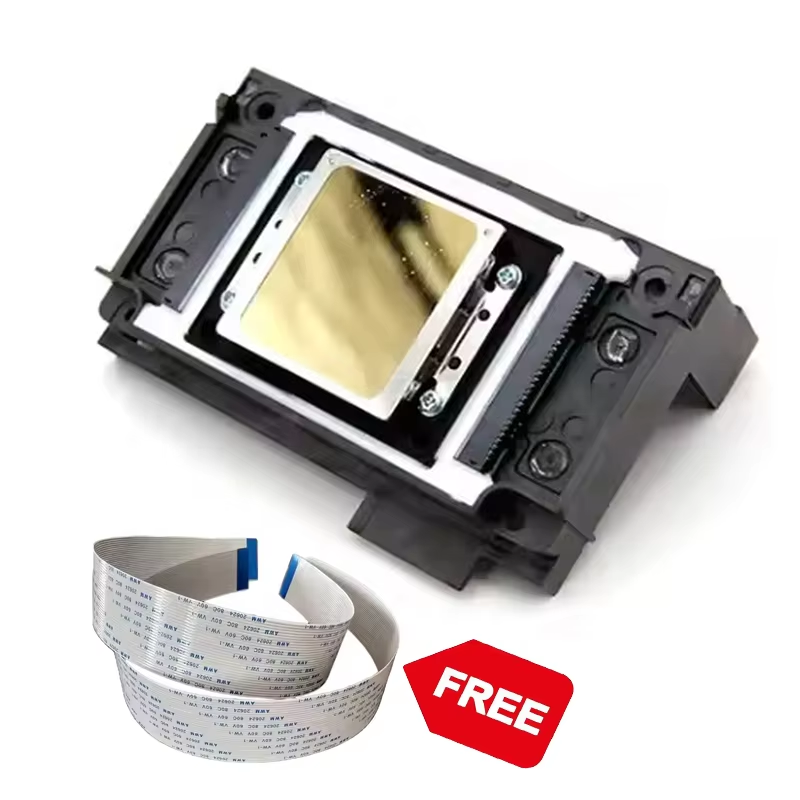
Finally, the long-term success of your printing operations relies on proactive equipment maintenance. Regular cleaning of the print heads, ensuring ink lines remain free of clogs, and keeping the software updated are practices that cannot be overlooked. Troubleshooting common issues, such as banding or registration errors, requires a blend of technical intuition and adherence to manufacturer guidelines. When you treat your equipment with care and keep your workspace organized, you reduce downtime and improve overall output quality. Achieving mastery in these areas ensures that you can print directly onto fabric with confidence, delivering reliable, professional results that keep your customers satisfied and your business growing steadily. It is this combination of technical expertise, quality material selection, and rigorous process control that defines the gold standard in the textile printing industry.