EN
EN
Understanding UV Curing Technology in Digital Printing
A uv inkjet printer differs from conventional inkjet systems in one critical way: how the ink dries. Instead of relying on solvent evaporation or heat absorption into the substrate, UV inkjet printing uses ultraviolet light to instantly cure or harden the ink as it leaves the printhead. This process, called photopolymerization, means the ink sits on top of the material surface as a solid, bonded layer rather than soaking into it. Because the ink does not need to absorb into anything, a uv inkjet printer can print on an exceptionally wide range of rigid and flexible materials including acrylic, glass, metal, wood, ceramic tile, phone cases, and plastic signage. This material versatility is the primary reason UV digital printing has grown rapidly in the customized products industry, where print shops need one machine to handle diverse client requests without changing equipment for each material type.
Key Material Compatibility for Custom Product Businesses
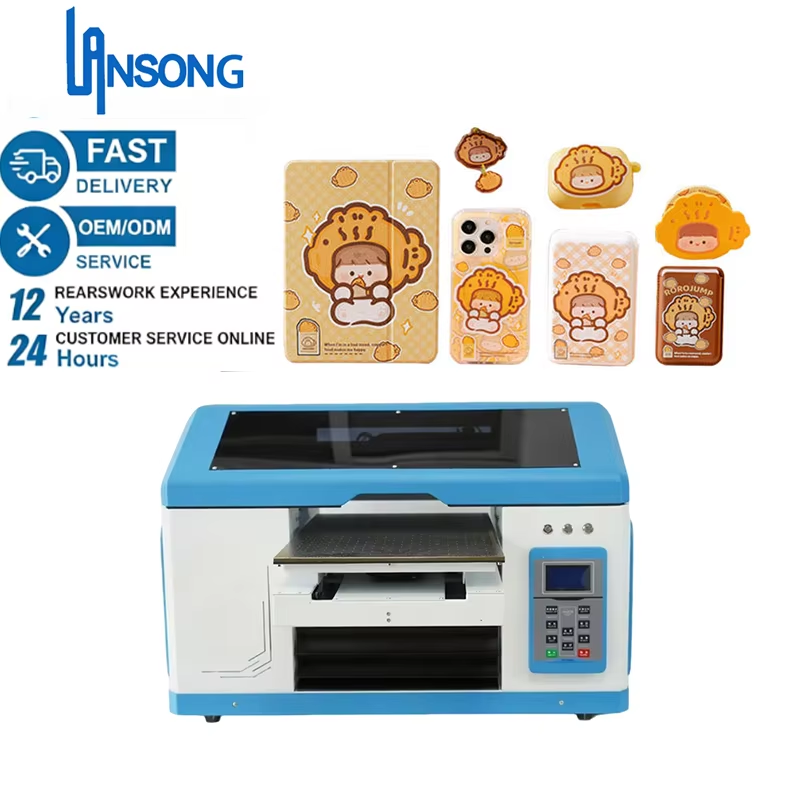
The ability to print on non-porous surfaces gives uv inkjet printer operators a competitive advantage in the personalized goods market. A desktop UV flatbed printer with a 20 by 30 centimeter print bed can handle small items such as phone cases, keychains, USB drives, and promotional badges. Mid-sized models with 35 by 60 centimeter beds extend the range to laptop covers, decorative tiles, photo panels, and acrylic signage. Larger 60 by 90 centimeter UV flatbed printers support wooden boards, metal sheets, and bulk panel printing for interior decoration and retail display applications. The ink adheres well to these surfaces when proper pretreatment such as a primer or adhesion promoter is applied, though some materials like acrylic and coated metal can accept UV ink directly. For businesses serving the personalized gift and promotional product sectors, this breadth of material support means they can offer product variety without investing in separate printing technologies for each substrate.
Instant Curing and Production Speed Advantages
One practical benefit of a uv inkjet printer that directly impacts custom product profitability is instant curing. In solvent or eco-solvent printing, prints must be left to outgas for several hours or even a full day before they can be handled, cut, or shipped. UV-cured prints are dry the moment they exit the printer bed, allowing immediate post-processing such as contour cutting, mounting, or packaging. This eliminates the drying bottleneck in the production workflow, which is especially valuable for short-run custom orders where turnaround time is a key customer requirement. A print shop running a uv inkjet printer can accept an order in the morning, print and finish it by midday, and ship it the same afternoon. For e-commerce sellers offering made-to-order personalized items, this speed translates directly into faster delivery promises and higher customer satisfaction ratings.
Durable Print Quality for Outdoor and High-Touch Items
UV inkjet printing produces a durable, scratch-resistant surface that performs well in applications where the printed item will be handled frequently or exposed to environmental conditions. Because the UV-cured ink layer forms a bonded polymer coating, the print resists fading from sunlight, moisture damage, and surface abrasion better than dye-based or aqueous inkjet prints. This durability is particularly relevant for custom products such as outdoor signage, vehicle decals, restaurant menu boards, and industrial control panels that must maintain legibility over months or years of use. Some uv inkjet printers also support white ink and varnish channels alongside the standard CMYK set. The white ink layer can serve as a base on dark or transparent materials, while the varnish channel allows selective gloss or matte spot coating effects that add tactile value to premium custom products such as wedding invitations, luxury packaging, and branded corporate gifts.
A Print Shop Expands Into UV Flatbed Printing
A small print shop previously produced stickers and labels using an eco-solvent printer. While this equipment handled vinyl and paper media well, the shop regularly turned away requests for custom phone cases, engraved-style acrylic awards, and personalized glass gifts because the eco-solvent ink would not bond to those surfaces. After adding a desktop uv inkjet printer with a 30 centimeter bed, the shop began accepting these previously rejected order types. Within three months, revenue from UV-printed items accounted for approximately 25 percent of total monthly sales, without any reduction in the eco-solvent printing business. The shop owner noted that the UV printer's white ink capability was especially valuable because it allowed printing vibrant, opaque designs on clear acrylic keychains and dark-colored phone cases, applications where a standard CMYK printer without white ink would produce washed-out or invisible results.
Buyer Considerations for a UV Inkjet Printer
When evaluating a uv inkjet printer for custom product production, several factors warrant careful attention. The print bed size determines the maximum object dimensions the machine can handle, but buyers should also check the maximum printable height because UV printers can print on substrates with varying thicknesses. Print resolution determines the level of image detail achievable, with most desktop UV flatbed printers offering 1440 dpi or higher using micro-piezo printhead technology. Ink configuration options, particularly the availability of white ink and varnish channels, affect the range of products the printer can produce and the visual effects achievable. Buyers should also verify consumable costs per square meter, as UV ink tends to be more expensive per milliliter than solvent ink, though the elimination of drying time and material waste can offset this cost difference in practice. Finally, confirming that the supplier holds quality management certifications such as ISO 9001 and product safety certifications like CE under standards including EN IEC 62368-1 provides assurance of equipment reliability and regulatory compliance.
Questions and Answers
What types of products can a uv inkjet printer make?
A uv inkjet printer can print directly on phone cases, acrylic signs, glass panels, wooden plaques, metal tags, ceramic tiles, USB drives, keychains, promotional badges, laptop covers, and many other rigid objects. With the right ink configuration including white and varnish channels, it can produce opaque prints on transparent and dark materials as well as textured spot coating effects on premium items.
How does UV printing compare to eco-solvent printing for custom products?
UV printing cures instantly under ultraviolet light, eliminating the drying delay required by eco-solvent printing. UV ink bonds to non-porous surfaces such as glass and metal that eco-solvent ink cannot adhere to. However, eco-solvent printing remains more cost-effective for flexible roll materials like vinyl banners and vehicle wraps. Many print shops operate both technologies and route each job to the more suitable machine.
Is a uv inkjet printer suitable for a small startup?
Desktop UV flatbed printers with 20 by 30 centimeter or 30 centimeter bed sizes are a practical entry point for small businesses entering the custom products market. The equipment footprint is compact enough for a home studio or small workshop, and the ability to print on diverse materials allows a startup to test multiple product categories before committing to a single niche. Buyers should budget for UV ink and occasional printhead maintenance as ongoing operating costs.
Table of Contents
- Understanding UV Curing Technology in Digital Printing
- Key Material Compatibility for Custom Product Businesses
- Instant Curing and Production Speed Advantages
- Durable Print Quality for Outdoor and High-Touch Items
- A Print Shop Expands Into UV Flatbed Printing
- Buyer Considerations for a UV Inkjet Printer
- Questions and Answers