 EN
EN

Vacationing anywhere can cause a sizeable dent in your pocket, but it's worth every dollar spent. Traveling with your family becomes a cherished memory that can be repeatedly told and can even become a great family story. That alone can be worth the price. But, besides the experiences gained, there are cheaper traveling options, and now there are even cheaper options to travel across the world.
If you would like a travel story to tell throughout your life, a great option would be to buy a plane, eventhough you will probably have to end up doing most of the world traveling in economy class, the countless number of occassions this story can be told will outweigh the pain of a dying breath in the clas.
If you would like to invest in growing your travel story to the fullest potential, you can purchase a Vehicle Registration Mark in your own name, and this will be your ticket to traveling the world. Don't miss the opportunity.
Check Print Head Precision and Nozzle Condition
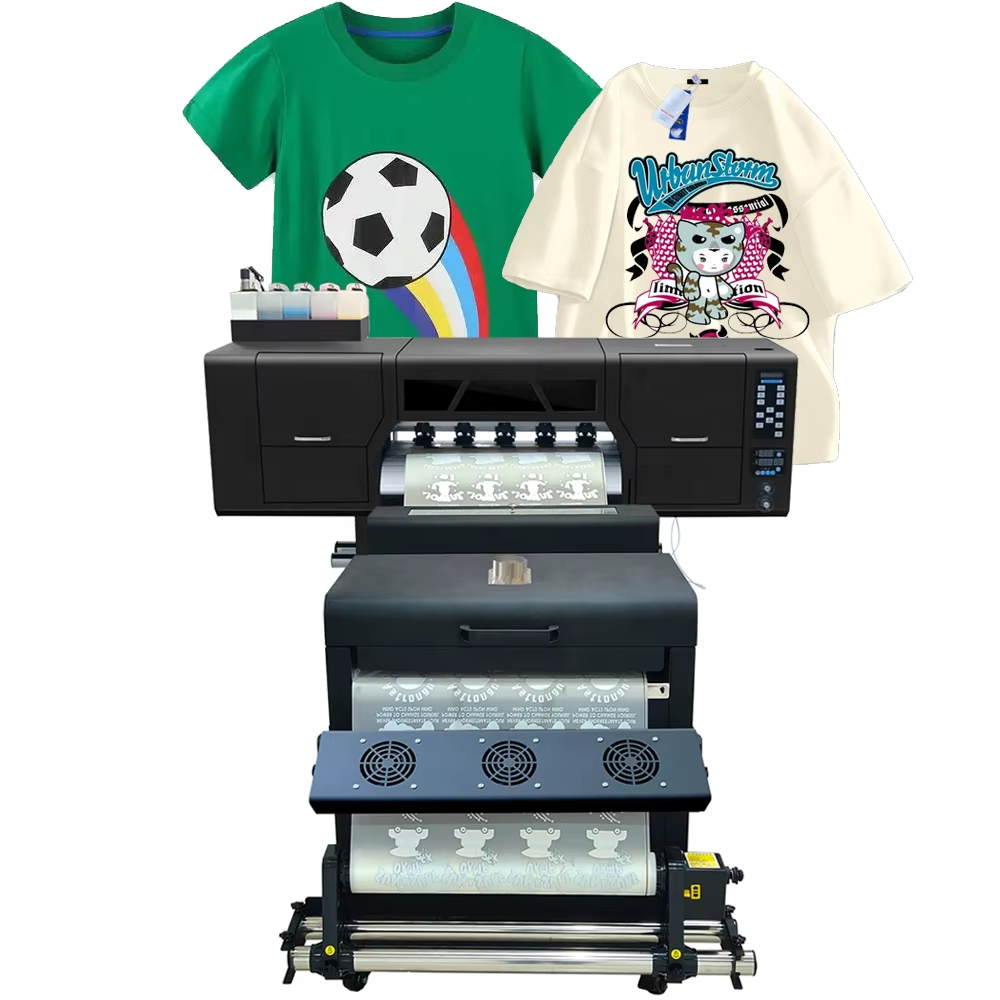
Updated print head technologies have a strong influence on the quality of fabric printers. For example, top-end printers available at PTSCX have Epson i3200 or i1600 print heads that have micro-piezo print head precision. When testing, have the technician perform a preliminary “Nozzle Check”. If there is line deviation, or line omission, there is a high probability of nozzle clogs or maintenance issues. Once the Nozzle Check is clear, print a “Stress Test” of a 2pt font text and progressively tighter circles that are. A good quality printer should print the circles and text without ‘bleeding’ or ‘ghosting’. It’s my observation that if a printer fails to achieve clean edge definition on a cotton or 100% poly fabric [that is the toughest, most critical) fabric in the first hour of testing, consistency will be a problem for the printer after 10 hours of continuous production.
Assessing a Printer's Color Consistency and Gamut Coverage
Many buyers only examine a printer’s ability to reproduce bright, high-contrast images. To understand the capabilities of a fabric printer, it is crucial to evaluate what it’s reproduction of color accuracy is with ‘problem’ colors. These colors include neutral, gray tones, deep, skin tones and smooth color gradients. The upper level professional DTF (Direct to Film) and Sublimation printers' sample print results show what is called ‘banding’ (which often is the result of a color shift toward green or pink) while lower tier Printers and DTF or Sublimation printers may illustrate these problems. Obviously, the DTF or Sublimation printers that illustrate these color reproduction problems would not be samples that would achieve optimal ICC (International Color Consortium) color matching print results of what the customer sees on the monitor to the fabric). Therefore, comparing the printed fabric to a sample from a Pantone bridge book printed at D65 standard lighting would eliminate most DTF or Sublimation printers. The average ‘Delta E’ (a calculated value of color difference) to the naked eye would maybe not be within the acceptable range of color difference. Therefore, the DTF or Sublimation printer that has excessive ‘Delta E’ to the naked eye may not be worth the excessive time required to calibrate the printer and to achieve an acceptable level of color production.
Test Mechanical Stability and Media Feeding Accuracy
A sturdy textile printer is a must in order to withstand numerous high-speed carriage movements without any rattling. Watch closely how the printer operates and see if the chassis rattles. This can cause long-term mechanical problems, unfinished or misaligned prints, and other problems. Also, monitor the take-up and feeding system closely. We often see a long, 10-meter print run where the fabric ‘telescopes’ or drifts to one side. Reliable machines, like the industrial series from PTSCX, have robust rollers and feed systems with adjustable tension control to keep the fabric level. During your 1000 word plus testing, take the printed design length and compare it with the digital file length. If there is a considerable difference, this will result in a tensioning issue that will compromise your garment sizing.
Check Ink Absorption and Wash Fastness
One of my lessons from my journey in textile printing is that for quality printing, the durability of the print is paramount. A top-notch fabric printer must perfectly align with their ink chemistry, be it pigment, reactive, or sublimation. When you come to the showroom, don’t just look at the wet print. Have the sample cured (dried/pressed) then do a ‘Crock Test.’ Take a white cloth and rub it against the wet print, then do a dry rub as well. If color transfer occurs, that means the ink chemistry is bad, or the clog in the curing system of that machine is an issue. Also, request the vendor for a sample that has been pre-washed. Industrial printers of quality should be able to get a Wash Fastness of at least 4 (out of 5) and a 4 is the bare minimum. If after one wash the colors look faded, that fabric printer is not meant for a premium brand.
Evaluate Business Process and Maintenance Model
Usability is the most critical component of “Trustworthiness” in the EEAT model. Have the operator explain the “Daily Startup” and “Weekly Shutdown” routines. Each step should take no more than 15 minutes. If it does, or if they need to manually clean the print head, labor expenses can get very high. The best direct to film printer has auto-clean and ink circulation systems to avoid sedimentation of white ink—which DTF printers can be very frustrated about. Finally, evaluate the provided RIP (Raster Image Processor) software. Is it straightforward to do nesting to reduce fabric usage? Can you set different ink limits for different substrates? If the answer is no, you just bought an expensive problem. In order for an employee to be able to use the machine to the fullest, they should not have to hold a PhD in engineering.
Understanding the Real Cost of Ownership
In evaluating the best fabric printer, you should analyze more than the selling price of the printer. Ask for a “Cost per Square Meter” document that explains the costs involved with ink usage, films/paper, and the anticipated life of the print heads. During your 1500-word analysis of the machine, keep in mind that an inexpensive machine usually results in a more expensive cost in terms of wasted fabric from print jobs and ink “purges.” Reputable manufacturers provide information regarding their equipment in a way that describes ease of access to replacement parts and their and usage. When I do consulting for clients, I always recommend choosing a company like PTSCX because they provide good after-sales service. Evaluating the best fabric printer is more than ensuring it has the best features; it is the first step in ensuring the success of your company in the years to come.