EN
EN

Ако сте икада отпаковали куп штампане одеће и уочили да су боје туге, да су се померале ка смеранку или да су потпуно другачије од вашег екрана за дизајн, доживели сте најчешћу бољу тачку у декорацији текстила. Купци и менаџери производње често питају зашто неке штампане тканине изгледају живо, док друге изгледају испечено, чак и када се користе исти сликарски материјал, штампач и мастило. Одговор лежи у комбинацији хардверске конфигурације, хемије мастила, калибрације софтвера и контроле процеса. Инкџејт текстилни штампачи постали су стандардна технологија за одећу, моде и производњу текстила, али постизање живописних, конзистентних и брзе боје захтева разумевање техничких фактора који утичу на сваки штампач. Када процењују мастилостручни текстилни штампачи за производњу, купци треба да гледају изван маркетиншких спецификација и испитају како машина управља контролом капица, циркулацијом мастила и профилирањем боја.
Технологија печатања главе и контрола капљица
Инкџет штампачи за текстил постављају микроскопске капи мастила на тканину или преносе медије кроз прецизно контролисане млазнице. Волумен, брзина и тачност постављања сваке капице одређују оштрину ивице, мешање боја и тоналну градацију. Модерне пиезоелектричне печатарске главе могу да избаце променљиве величине капица, што омогућава фине детаље у областима са наглашеном светлошћу и густу покривеност мастилом у областима сенке. Конфигурација млазнице и фреквенција пуцања директно утичу на то како се боје глатко преносе преко штампане слике. Модерни текстилни штампачи са млазом мастилом користе напредну пиезоелектричку технологију како би одржали конзистенцију током дугих производних сезона. Резолуција главе за штампу се обично мери у тачкама по инчу и описује колико појединачних капи мастила уклапа у линеарни инч. Виша резолуција обично значи више тачака, што ствара финије детаље и глатке бојне градијенте. Међутим, само резолуција не гарантује живост. Уравњавање вишеструких пролаза штампе, тачност покрета кочије за штампу и конзистенција брзине капљице сви играју једнако важне улоге. Спецификације резолуције мастилостручних текстилних штампача треба да се процени заједно са механичком стабилношћу и протоколима одржавања. Добро калибрисани штампач са прецизним механичким упоређивањем често производи живији износ од машине са високом резолуцијом са лошим одржавањем. Главе за штампање такође захтевају редовне аутоматске циклусе чишћења како би се спречило заткривање млазнице, што може изазвати недостатак боја, смањење засићености и видљиве траке у областима са чврстом бојом.
Формулација мастила и софтверски управљање бојом
Хемијски састав текстилних мастила одређује опсег достигнутих боја, који се обично назива гамута. Брендирани мастила са пигментом садрже чврсте честице које се везују за влакна тканине и седе на површини, пружајући добру чврстоћу прања и непрозорност. Бојари на бази мастила продиру структуру влакана и стварају дубоке, богате боје са мекијим осећајем руке, иако су генерално ограничени на специфичне врсте тканина као што је полиестер. Гампа боја у великој мери зависи од сета мастила и хемије боја. За живописне резултате на тамним текстилима, специјални слој белог мастила служи као подлоге који блокира боје тканине да се не приказују кроз слојеве ЦМЈК изнад њега. РИП софтвер је мост између дизајнерских датотека и текстилних штампача са млазницом мастила, преводи дигитално уметничко дело у инструкције за машину које контролишу депозицију мастила. Способни РИП управља границама густине мастила, логиком раздвајања боја, обрасцем полутон и редоследом штампе. ICC профили су стандардизоване датотеке података које описују како одређена комбинација штампача, мастила и тканине репродукује боју. Када је профил правилно изграђен и примењен у РИП-у, софтвер прилагођава долазеће вредности боја како би компензовао стварно физичко понашање штампача. Редовно проверење профила је неопходно када се мењају лотове мастила, лоти тканине или услови околине, јер влажност и температура утичу и на стопу сушења мастила и на карактеристике апсорпције тканине.
Бели системи мастила и решења за тамне тканине
Управљање белим мастилом је критична карактеристика у штампачима са мастилом за текстил који се користе за производњу тамних тканина. Печати на тамним ткивима представља јединствен изазов јер тамна супстрата апсорбује видљиву светлост која би иначе одражавала боју мастила назад гледаоцу. У овом случају, бели мастило под основу се користи за штампање, и то се може постићи тако што се до или поред бојева мастила поставља чврст бели слој. У директном штампању филмова, бело мастило се штампа на премазан ПЕТ филм заједно са ЦМИК бојама, а затим се комплетна слика преноси на ткиво са контролисаном топлотом и притиском. Глаткоћа и непрозорност белог слоја директно утичу на то колико су светле завршне боје. Ако је бела мастила неравна, сувише танка или се осетила због лошег узбуђења, тамна тканина пролази кроз и смањује интензитет боје. Напредни системи укључују механизме циркулације белог мастила који стално задржавају частице белог пигмента суспендиране у течности. То спречава седиментацију, што би иначе изазвало неконзистентну неравноправност, заткривање млазнице и дефекте штампе који уништавају живопис боје. Концентрација за наношење пигмента у белом мастилу и његова стабилност дисперзије одређују да ли подлоге пружају чврсту, светлу основу.
У поређењу са ДТФ, ДТГ и сублимационим методама
Међу мастилострујним текстилним штампачима, три главне технологије доминирају тржиштем за декорацију одеће. Различите методе постижу живост кроз различите физичке процесе. Директна филмска штампа ради се улагањем ЦМЈК и белог мастила на премазан ПЕТ филм, а затим топлотом преносе завршену слику на памук, полиестер, мешавине и тамне тканине. Не захтева претратацију тканине, што поједноставља рад и смањује варијабилност између партија. Директна штампања одеће прска мастило директно на ткиво које је претходно обрађено хемијским раствором, што помаже везивању мастила и може произвести живите резултате на памуку, иако захтева пажљиву контролу дебелине апликације и времена затврђивања пре обраде. Сублимацијска штампа користи специјалне мастила на бази бојевача која се претварају у гас под високом топлотом и везују се са полиестерским влакнама на молекуларном нивоу, стварајући изузетно светле и трајне боје, али је ограничена на полиестер или полимер-покривене супстра Процес зачињивања у штампачима са текстилом који се баве мастилом одређује колико се коначна слика добро везује са ткивом. За ДТФ штампу, температура и притисак преноса морају бити калибрирани на специфичну комбинацију филмова и тканина. Превише топлоте може довести до слабог прилепљења и тумне боје; превише топлоте може изазвати миграцију боје, печење влакана или искривљење филма. За сублимацију, температура мора бити довољно висока да би се боја претворила у гас без спаљивања тканине, обично око 200 степени Целзијуса за стандардни полиестер. Временосталост, конзистенција притиска и равномерно расподељење температуре доприносе томе да ли коначни штампач изгледа живописно или безживотно. Правилно зачешћење такође осигурава да штампе преживљавају понављање прања и абразије без значајног губитка боје.
Примена у стварном свету и резултати
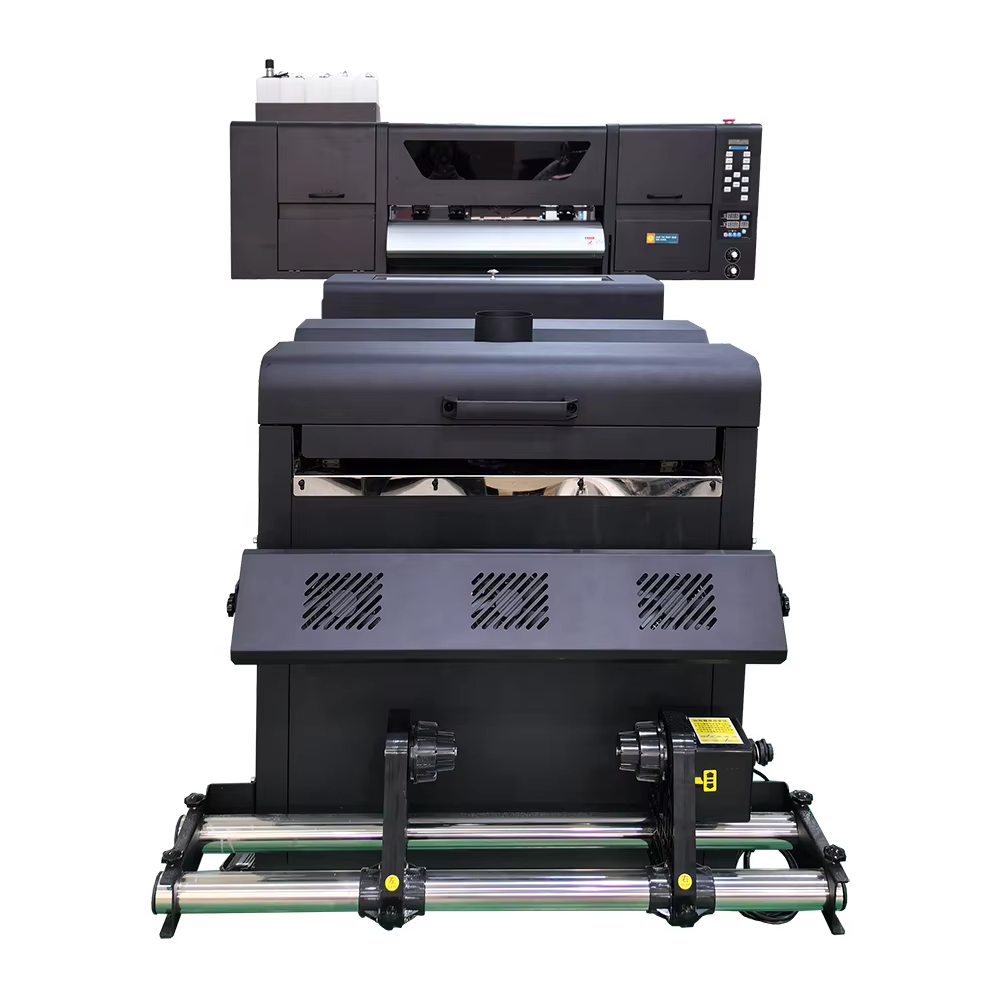
Пословници који бирају мастилостружне текстилне штампаче за производњу тамне одеће често се суочавају са кривом учења пре него што постигну доследне резултате. Мало предузеће за прилагођавање одеће у југоисточној Азији недавно је прешло са аутсорсираног шрифта на инхаус производњу користећи ДТФ штампач опремљен двоструком конфигурацијом штампачке главе XP600. Опрема, која је стигла од компаније Shenzhen Shenchuangxing Technology Co., Ltd., укључивала је систем циркулације белог мастила дизајниран да спречи седиментацију пигмента током периода неактивности. Током првог месеца, отисци на тамним памучним хаубима изгледали су бледо и несагласно између парција. Након имплементације прилагођеног ICC профила изграђеног за локалну смешу памука, прилагођавања подешавања густине белог мастила у РИП софтверу и успостављања дневне рутине циркулације белог мастила у покретању, излаз боје се значајно побољшао. Сада компанија производи цветне дизајне за локалне спортске тимове са конзистентним засићењем и прихватљивом чврстоћом прања. Способност штампања на захтев без минималне количине наруџбине омогућила је компанији да се прошири у краткотрајну куповину. Овај случај илуструје како техничка прилагођавања у софтверу, процесу и одржавању често решавају проблеме са живописношћу боја без потребе за замене хардвера.