 EN
EN

Understanding DTF Printing from Real Production Experience
From my experience working with multiple textile printing workshops and collaborating with suppliers like PTS, Direct-to-Film (DTF) printing has rapidly become a preferred solution for custom apparel businesses. Compared with traditional screen printing and even DTG, DTF offers greater flexibility across fabrics, lower setup costs, and faster turnaround for small to medium orders.
In real production scenarios, I’ve seen businesses struggle not because they chose the wrong technology, but because they didn’t select the best DTF printer with the right features. A well-chosen machine can dramatically improve efficiency, print consistency, and long-term profitability.
Print Head Quality and Resolution Matter Most
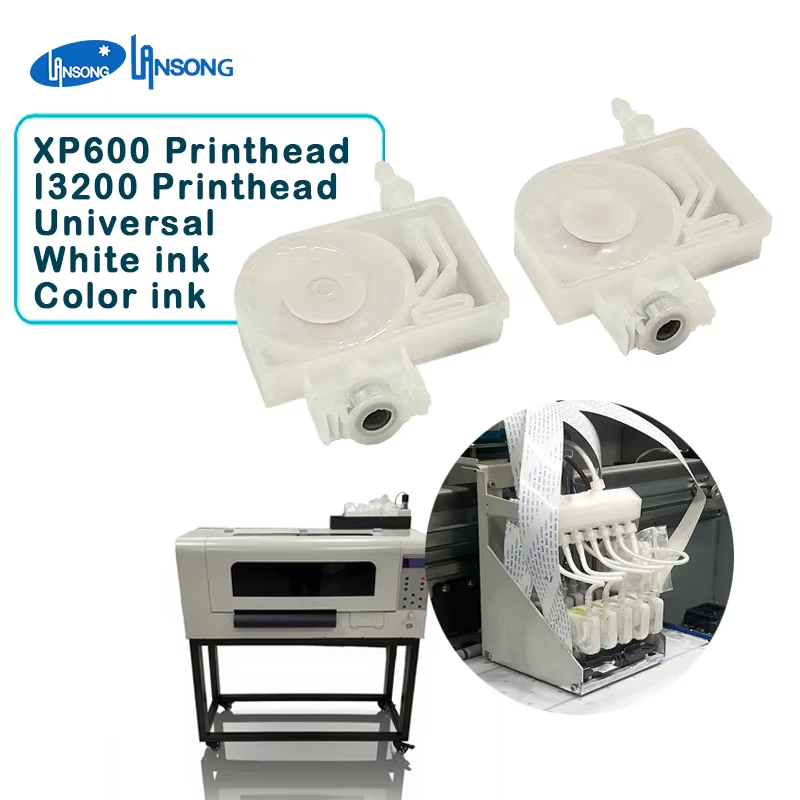
One of the most critical features to evaluate when choosing the best DTF printer is the print head. High-quality print heads such as Epson i3200 or XP600 are widely used in advanced systems because they deliver precise ink placement and stable performance.
In practice, a better print head means:
• Sharper image resolution (important for detailed designs)
• Smoother gradients and color transitions
• Reduced risk of clogging with proper maintenance
From hands-on experience, investing in a printer with a reliable industrial-grade print head reduces downtime and maintenance costs significantly over time.
Ink System Stability and White Ink Circulation
DTF printing relies heavily on white ink, which is known to settle and clog if not managed properly. This is why a stable ink system with automatic circulation and stirring functions is essential in the best DTF printer.
Based on actual usage cases, printers equipped with:
• Continuous white ink circulation
• Ink stirring systems
• Automatic cleaning functions
can maintain consistent output even during long production runs. This is particularly important for businesses producing large volumes daily, where any interruption can lead to delays and material waste.
Film Feeding and Powder Shaking Integration
Modern DTF workflows often include automated film feeding and powder shaking systems. From a production efficiency standpoint, this is a game changer.
A best DTF printer setup should ideally support:
• Stable film feeding without skewing
• Integrated or compatible powder shaker
• Efficient curing system
In real factory environments, integrated solutions significantly reduce manual labor and improve workflow consistency. For example, operators can handle multiple machines simultaneously when automation is in place, lowering labor costs and increasing output.
Printing Speed vs. Output Quality Balance
Many buyers focus only on speed, but in my experience, the true value lies in balancing speed with quality. The best DTF printer should offer adjustable speed modes so users can choose between high-speed production and high-resolution output depending on order requirements.
For example:
• Fast mode for bulk logo printing
• High-quality mode for detailed artwork
Suppliers like PTS often design machines with flexible configurations to meet different production needs, which is crucial for growing businesses that handle diverse orders.
Software Compatibility and User-Friendly Operation
Another often overlooked feature is the RIP software and overall usability. A best DTF printer should come with stable, widely supported RIP software such as Maintop or FlexiPRINT.
From operational experience:
• Easy-to-use software reduces training time
• Accurate color management ensures consistency
• ICC profile support improves print accuracy
Additionally, an intuitive control panel and automated functions can greatly reduce operator errors, especially for beginners entering the DTF printing industry.
Durability, Maintenance, and After-Sales Support
Long-term reliability is a key factor when selecting the best DTF printer. Machines built with high-quality components and a solid frame structure tend to perform better over time.
In real-world usage, I’ve found that the following features make a significant difference:
• Anti-collision print head protection
• Automatic cleaning systems
• Easy-access maintenance design
Equally important is after-sales support. Reliable suppliers provide technical guidance, spare parts availability, and remote troubleshooting. This aligns with industry best practices recommended by textile printing professionals, emphasizing that ongoing support is as important as the machine itself.
Scalability and Business Growth Potential
When investing in equipment, it’s important to think beyond current needs. The best DTF printer should support business growth by offering scalability.
For example:
• Compatibility with larger formats
• Ability to integrate with automated production lines
• Support for higher ink capacity systems
From experience, businesses that plan ahead avoid costly upgrades later and can quickly respond to increasing order volumes.
Conclusion: Choosing the Best DTF Printer for Long-Term Success
Selecting the best DTF printer is not just about price or brand—it’s about finding a machine that matches your production goals, workflow, and growth plans. By focusing on key features such as print head quality, ink system stability, automation, software usability, and after-sales support, businesses can achieve consistent results and maximize return on investment.
From both practical experience and industry insight, a well-equipped DTF printer is a powerful asset that enables flexibility, efficiency, and high-quality output in today’s competitive printing market.
Table of Contents
- Understanding DTF Printing from Real Production Experience
- Print Head Quality and Resolution Matter Most
- Ink System Stability and White Ink Circulation
- Film Feeding and Powder Shaking Integration
- Printing Speed vs. Output Quality Balance
- Software Compatibility and User-Friendly Operation
- Durability, Maintenance, and After-Sales Support
- Scalability and Business Growth Potential
- Conclusion: Choosing the Best DTF Printer for Long-Term Success