EN
EN

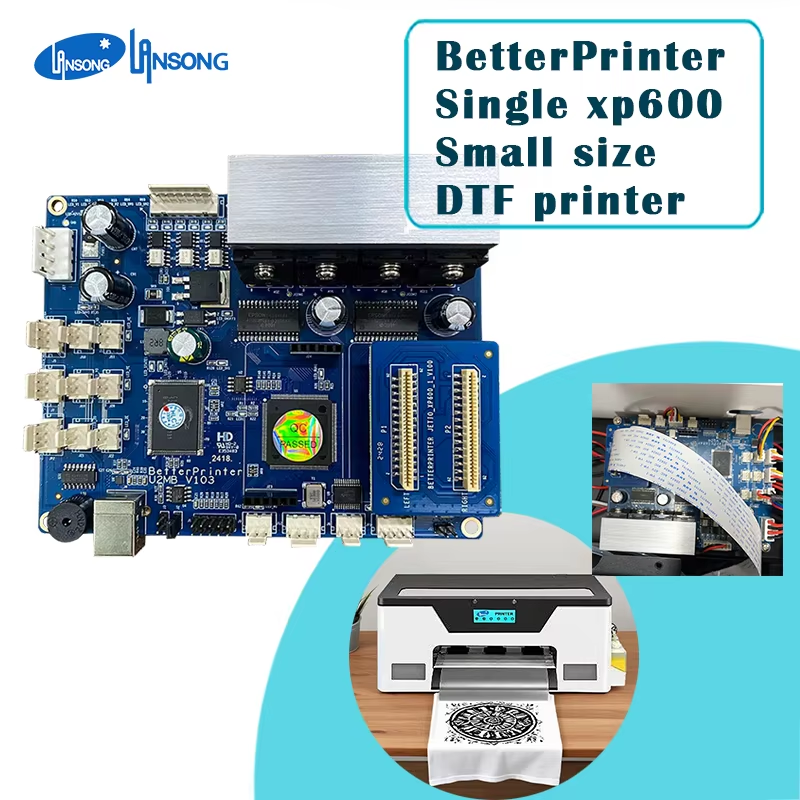
Why More Beginners Are Choosing DTG Printing
The custom apparel industry continues to grow as more small businesses, online sellers, and startup brands enter the personalized clothing market. For many beginners, choosing the right entry level dtg printer is the first major step toward building a profitable printing business.
DTG, or Direct-to-Garment printing, allows users to print full-color designs directly onto fabric without the complicated setup required by traditional screen printing. This makes DTG technology especially attractive for beginners who want flexible production, low minimum order quantities, and fast design changes.
An ideal entry level dtg printer should be easy to operate, stable during daily production, and capable of producing professional-quality prints while keeping maintenance manageable. Beginners usually need equipment that simplifies the learning process while still supporting business growth.
Compared with traditional printing methods, DTG printing offers faster customization, reduced inventory pressure, and better support for print-on-demand business models. These advantages make DTG technology a practical solution for startups and small apparel businesses.
What Features Should an Entry Level DTG Printer Have?
When evaluating an entry level dtg printer, beginners should focus on practical features rather than only comparing prices. Reliable performance and operational simplicity often create more long-term value than choosing the lowest-cost machine.
One of the most important factors is print quality. A stable printing system helps produce clear images, smooth gradients, and consistent color output. Customers today expect professional-quality customized apparel, so print consistency directly affects customer satisfaction.
Ease of operation is another critical factor. Beginners benefit from user-friendly software, simplified workflows, and straightforward maintenance procedures. Complex setup systems can slow production and increase operating mistakes during the early learning stage.
Compact machine design is also valuable for small businesses. Many startup users operate from home studios, small workshops, or limited commercial spaces. A compact entry level dtg printer can help maximize workspace efficiency while maintaining stable production capacity.
Fabric compatibility should also be considered carefully. Many beginners start with cotton T-shirts, but future business expansion may include hoodies, tote bags, sweatshirts, and other apparel products. Choosing flexible equipment can support long-term business development.
Why DTG Printing Is Ideal for Small Businesses
One major advantage of an entry level dtg printer is its ability to support small-batch and personalized production. Unlike traditional screen printing, DTG printing does not require complicated plate-making processes for every design change.
This allows businesses to print single-item orders efficiently, making DTG especially suitable for e-commerce stores and custom clothing brands. Small businesses can offer personalized products without maintaining large inventories or investing heavily in mass production.
Fast product customization also helps businesses respond quickly to market trends. Operators can easily switch between different graphics, logos, and artwork without significant production delays.
Another benefit is the ability to print highly detailed images. DTG technology can reproduce photographs, gradients, and complex multicolor artwork directly on garments with strong visual results. This helps small brands create more attractive products for competitive online marketplaces.
In addition, beginners can test new product ideas with lower financial risk. Instead of producing large quantities in advance, DTG printing supports flexible on-demand manufacturing.
Why Maintenance Matters for Beginners
Maintenance is often one of the biggest concerns for first-time DTG users. A beginner-friendly entry level dtg printer should simplify cleaning procedures and help reduce unnecessary downtime.
Regular maintenance is important for maintaining printhead condition and ensuring consistent print quality. Machines with automated cleaning functions can help reduce manual maintenance work and minimize the risk of nozzle clogging.
White ink management is another key area in DTG printing. Since white ink naturally settles over time, a stable ink circulation system helps maintain smooth ink flow and improves printing reliability.
Beginners should also pay attention to daily operating environments. Stable room temperature, proper humidity control, and clean workspaces can all help improve machine performance and print stability.
Technical support is equally important. Beginners often require guidance during installation, software setup, color adjustment, and troubleshooting. Working with a reliable manufacturer or supplier can significantly reduce the learning curve.
How to Choose the Right Entry Level DTG Printer Supplier
Selecting the right supplier is just as important as choosing the machine itself. A professional supplier can provide technical guidance, operational training, and after-sales support that help beginners avoid common production problems.
When evaluating suppliers, users should carefully review the company’s product information, industry experience, and technical support capabilities. A reliable manufacturer usually provides clear operating instructions, maintenance guidance, and application examples.
Experience in digital printing technology is another important factor. Suppliers with long-term industry knowledge are more likely to offer stable printing solutions and practical recommendations for startup businesses.
It is also helpful to choose suppliers that provide training materials, remote technical support, and spare parts services. These resources can help beginners maintain stable production during the early stages of business development.
In many cases, a dependable supplier becomes a long-term business partner rather than simply an equipment provider.
Common Mistakes Beginners Should Avoid
Many first-time buyers focus only on machine price when choosing an entry level dtg printer, but low-cost equipment may create higher maintenance costs and production instability later.
Another common mistake is ignoring workflow efficiency. Beginners sometimes underestimate the importance of software usability, image processing speed, and maintenance convenience. These factors directly affect daily productivity.
Some users also purchase equipment without considering future business growth. While small production volumes may be sufficient initially, scalable equipment can help businesses expand more smoothly as order demand increases.
In addition, poor workspace preparation can negatively affect print quality. Beginners should ensure proper ventilation, temperature stability, and organized production areas before starting DTG operations.
Finally, choosing equipment without reliable technical support may increase operational difficulties. Responsive customer service and technical guidance are especially valuable during the early learning period.
Conclusion
Choosing the best entry level dtg printer for beginners requires balancing ease of use, print quality, maintenance simplicity, and long-term business needs. DTG printing provides startups and small apparel businesses with a flexible and efficient way to produce customized garments without large production investments.
For beginners, stable performance and strong technical support are often more important than selecting the lowest-cost machine. A reliable entry level dtg printer can help improve production efficiency, reduce operational challenges, and support future business growth.
As demand for personalized apparel continues to increase, DTG printing remains an attractive solution for entrepreneurs looking to enter the custom garment market with lower risk and greater creative flexibility.