EN
EN

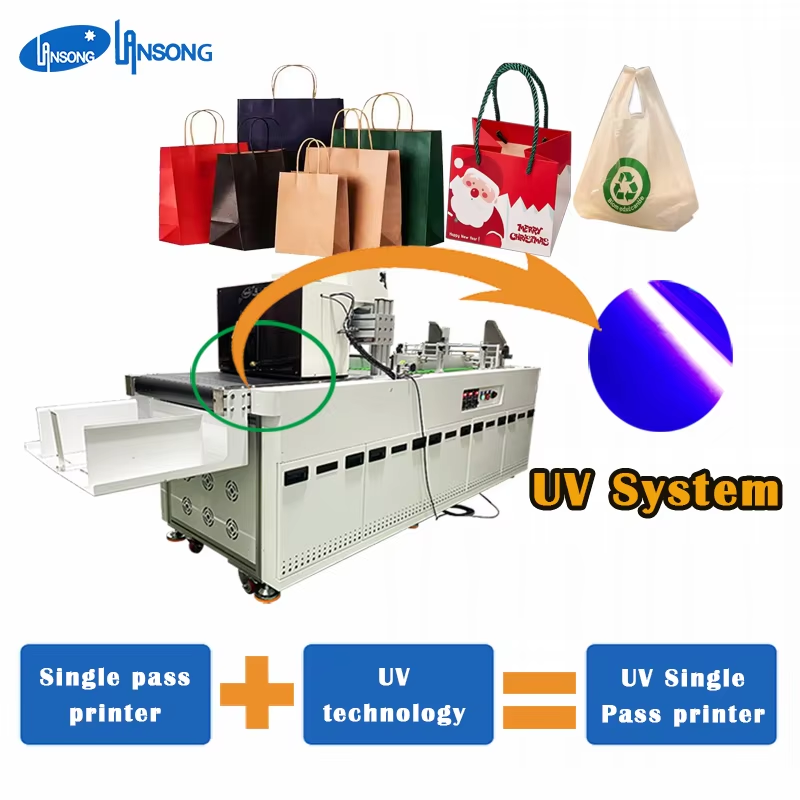
Digital bag printing has emerged as a revolutionary technology in the modern packaging and branding industry. Unlike traditional methods that require extensive setup and mechanical plates, digital bag printing utilizes advanced computing and high-precision inkjet mechanisms to apply intricate, multi-colored artwork directly onto various bag materials. For businesses and creators looking to develop custom packaging, understanding the inner workings of this advanced customization process is essential to maximizing brand presentation and operational efficiency.
Understanding the Core Technology of Digital Bag Printing
The foundational process of digital bag printing relies on transferring a digital graphic file—typically an Adobe Illustrator, Photoshop, or high-resolution PDF format—directly into the printing machinery’s processing software. This process eliminates the tedious, costly, and time-consuming plate-making steps characteristic of classic flexographic or gravure printing. The core machine functions much like a highly sophisticated industrial inkjet system, reading pixels from the digital design file and commanding specialized printheads to deposit microscopic droplets of ink precisely onto the substrate. Because there are no physical plates to change or align, digital bag printing offers unparalleled flexibility for small to medium production runs, enabling quick setup times and seamless transitions between different design files.
The Microscopic Precision of Inkjet Deposition Mechanisms
To achieve photographic-quality custom packaging, digital bag printing devices depend on state-of-the-art printheads capable of emitting millions of micro-droplets per second. The technology generally splits into two categories: Piezoelectric inkjet and Thermal inkjet. Piezoelectric printheads use an electric charge to vibrate a tiny crystal, pushing the ink through the nozzle with extreme force and precise volume control. This mechanical action ensures consistent drop sizes and accurate placement, creating razor-sharp text, perfect gradients, and vivid color transitions. For custom designs featuring complex corporate logos, continuous patterns, or photographic elements, the microscopic precision of digital bag printing ensures every line is cleanly defined and every color hue accurately reflects the original digital artwork.
Color Management and Advanced Ink Curing Systems
Achieving vibrant and long-lasting designs in digital bag printing requires a combination of extended color spaces and rapid drying technologies. Standard systems use a CMYK (Cyan, Magenta, Yellow, and Key Black) ink configuration, but advanced industrial digital printers often expand this with extended gamuts like Orange, Green, and Violet (CMYKOGV) or specialized white ink layers. The inclusion of an ultra-opaque white ink base is vital when printing on kraft paper, dark substrates, or transparent plastics, ensuring that the colors layered on top remain punchy and vibrant. Once the inks are deposited onto the bag surface, they undergo an instant curing process—frequently utilizing Ultraviolet (UV) light emitting diodes (LED) or integrated thermal drying tunnels. This instant cure solidifies the ink immediately, preventing smudging, improving scratch resistance, and making the finished custom bag durable enough to withstand transit and handling.
Material Compatibility across Diverse Packaging Substrates
One of the most remarkable benefits of modern digital bag printing is its extraordinary adaptability to various materials used in B2B packaging and manufacturing. Whether your custom design is meant for heavy-duty laminated plastics, barrier films, Stand-Up Pouches, eco-friendly Kraft paper bags, or woven synthetic materials, digital inkjet mechanisms can adapt to varying surface tensions. Specialized pre-treatment coatings or corona treatments are often applied to plastic or film substrates just before printing to maximize ink adhesion. Because the printheads do not physically press heavily against the bag—maintaining a delicate non-contact deposition—the structural integrity of fragile or pre-formed bags remains entirely uncompromised throughout the entire digital bag printing workflow.
Streamlining Workflows for Custom Prototyping and On-Demand Production
The true operational breakthrough of digital bag printing lies in how it optimizes the logistics of manufacturing custom designs. Traditional print setups require substantial minimum order quantities (MOQs) to amortize the fixed costs of plate fabrication. Digital bag printing shatters these barriers by making the printing cost of a single bag practically identical to the printing cost of a thousand. Brands can execute real-time market testing, produce seasonal variations, or customize short-run packaging for promotional events without financial risk. The complete elimination of physical mechanical tooling allows web-to-print systems to receive an online submission and feed it straight into the digital bag printing pipeline, cutting lead times from weeks down to mere days while delivering impeccable, retail-ready visual quality.