 EN
EN

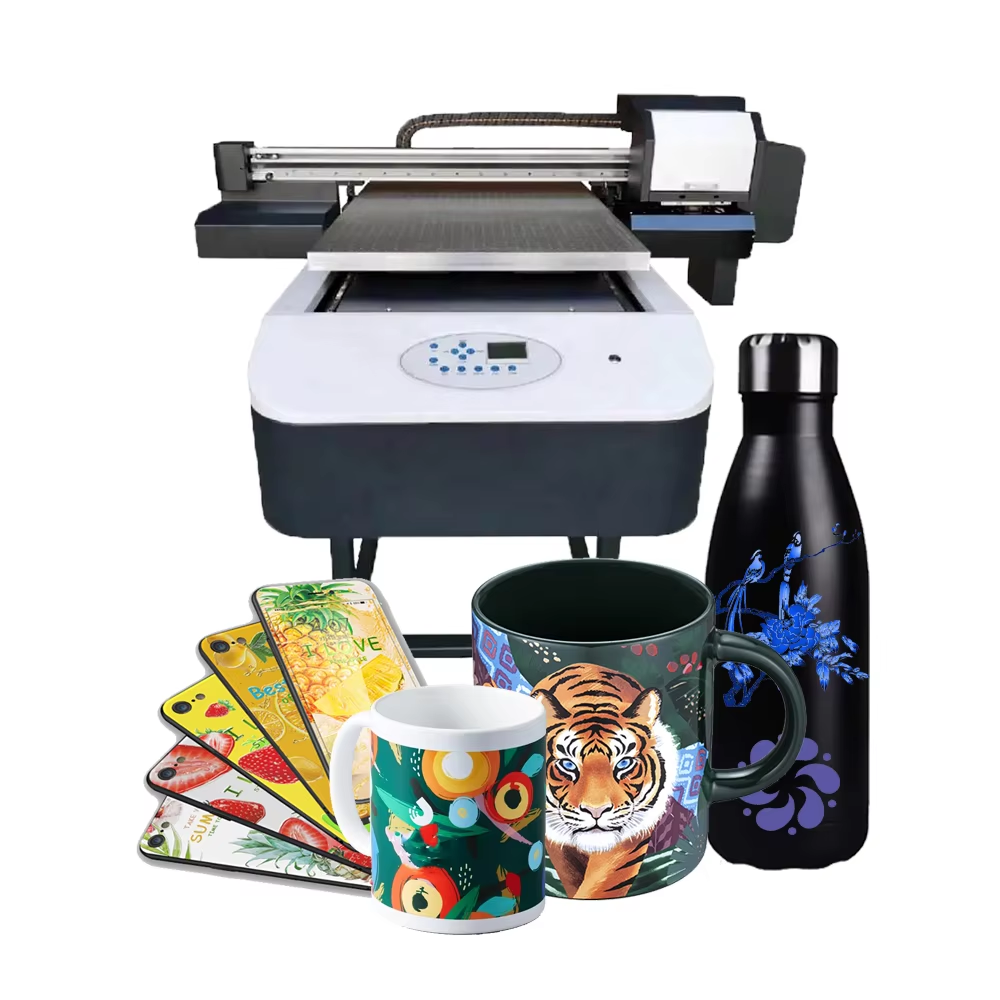
Substrate Versatility: Print on Almost Any Rigid or Flexible Material
Wide Compatibility: Metal, Glass, Acrylic, Corrugated Board, and Composites
Modern UV flatbed printing machines handle diverse substrates beyond traditional media—eliminating the need for pre-treatment or transfer films. Key compatible materials include:
- Rigid surfaces like aluminum, tempered glass, and acrylic sheets (up to 150 mm thick)
- Flexible media such as corrugated board, PVC, and carbon fiber composites
- Textured substrates including wood, stone, and coated ceramics
This broad compatibility streamlines production and expands application scope—from architectural signage to custom electronics housings. A 2023 print industry study found 78% of manufacturers prioritize material flexibility when investing in new equipment.
Vacuum Table Precision and Adaptive Platens for Consistent Registration
Vacuum tables with advanced technology hold onto those tricky irregular or porous materials really well, keeping them stable at the micron level. These tables prevent even tiny movements down to 0.1 mm. The adjustable platen design means it works with all sorts of material thicknesses without compromising the ideal distance between the nozzle and what's being worked on. Combine these tables with optical registration systems and suddenly we're talking about incredible alignment accuracy across multiple layers, typically within plus or minus 0.05 mm. That kind of precision matters a lot in industries like labeling processes, when marking electronic components, or during any sort of high-end packaging work where exact positioning is absolutely essential.
3D-Ready Output: Height Clearance, Layered Effects, and Tactile Finishes
Z-Axis Capacity (Up to 150 mm): Enabling Direct Printing on Assembled Products
The extended Z axis clearance goes up to around 150 mm which means we can print directly onto complete assembled parts without having to take them apart first. Think things like electronic housings, those stacked boxes from retail stores, even weird shaped industrial pieces that would normally be impossible to work with. No more breaking things down and putting them back together again after printing. For complicated products such as medical equipment or touch screen displays, this saves anywhere between 30% to maybe half the usual production time depending on what exactly needs doing. And the vacuum secured platens keep everything aligned pretty much perfectly during printing too, staying within about 0.1 mm accuracy all through the job.
Multi-Pass UV Printing for Braille, Raised Text, and Embossed Packaging Effects
Layered ink deposition creates tactile surfaces without molds or post-processing. Multiple UV-curable ink passes enable:
- ADA-compliant Braille: Height accuracy of 0.5–0.7 mm for signage and packaging
- Raised logos/text: 0.3–1.2 mm relief for brand differentiation
- Embossed finishes: Simulated leather or woodgrain textures on luxury packaging
Tactile elements enhance user engagement—82% of consumers associate textured finishes with premium quality, according to a 2024 consumer perception study published by the Packaging Design Institute.
Functional Print Quality: Vibrant Color, Instant Cure, and Real-World Durability
CMYK+W Varnish Workflow for Gloss/Matte Mapping and Premium POS Applications
UV flatbed printers really shine because of their special ink systems that balance great color accuracy with durability for tough environments. These printers typically use a CMYK plus white ink setup along with built-in varnish options. What this means is designers can create different finish effects across various parts of a print job. For instance, when something has a matte background, glossy logos stand out like they're floating above the surface. And those soft touch varnishes? They give packaging an extra dimension that catches the eye and feels good to the touch too.
Premium point of sale displays benefit from workflows that hit around 98% Pantone color match on materials such as metal surfaces, acrylic panels, and glass components. The fast acting UV LED curing system fixes those vibrant colors right into position in just seconds, keeping details crisp even at impressive resolution levels reaching 1200 dpi. This quick drying also allows for adding protective coatings right away without waiting. Independent tests have shown these UV cured prints hold their colors well and maintain their surface quality for about two years when exposed to the elements outside stores. Retailers who need durable yet visually striking displays find this combination particularly valuable.
By combining white ink underprinting for opacity on dark or transparent substrates with strategic varnish application, manufacturers achieve high-end effects—including scratch-resistant menu boards and soft-touch cosmetics packaging—without sacrificing throughput.
Smart Operational Workflow: From Digital File to Finished UV-Cured Output
UV flatbed printing machines these days really cut down on production time thanks to their built-in digital workflow systems that reduce the need for hands-on work. When designers send over their files, special RIP software takes care of processing everything automatically. This software basically turns those fancy vector graphics into something the printer can actually work with, and it also applies specific color settings depending on what material will be printed on. After that comes the alignment part, where machine vision systems step in. These systems get the materials positioned just right either through vacuum tables or optical sensors. This whole process eliminates those frustrating positioning mistakes that happen so often when people try to set things up manually.
When printing happens, those UV LED lights get to work right away on curing each layer of ink that gets laid down. This means products can be handled almost immediately after printing instead of sitting around waiting to dry. After the print job is done, things move along automatically through conveyor belts or picked up by robots for whatever comes next in production. No need for people to handle them at all during this stage. The whole system cuts down on how long jobs take to finish by somewhere around 70% when compared with old fashioned methods where humans had to do most steps manually. Plus, every batch looks pretty much the same quality wise because there's less room for error throughout the process.
FAQ
What are some materials that UV flatbed printers can print on?
UV flatbed printers can print on a variety of materials, including metal, glass, acrylic, corrugated board, PVC, carbon fiber composites, wood, stone, and coated ceramics.
How accurate are UV flatbed printers in terms of alignment and precision?
UV flatbed printers offer remarkable alignment accuracy, typically within plus or minus 0.05 mm, thanks to their advanced vacuum tables and optical registration systems.
What are the benefits of multi-pass UV printing?
Multi-pass UV printing allows for the creation of tactile surfaces such as ADA-compliant Braille, raised logos, and embossed finishes, enhancing brand differentiation and consumer engagement.
How does the Z-axis capacity of UV flatbed printers impact production?
The Z-axis capacity, allowing up to 150 mm, enables printing directly on assembled products, reducing production time by eliminating the need for disassembly and reassembly.
What is the role of RIP software in UV flatbed printing?
RIP software processes digital files for printing, applying specific color settings based on the material and ensuring proper alignment, reducing manual errors and cutting down production time.
Table of Contents
- Substrate Versatility: Print on Almost Any Rigid or Flexible Material
- 3D-Ready Output: Height Clearance, Layered Effects, and Tactile Finishes
- Functional Print Quality: Vibrant Color, Instant Cure, and Real-World Durability
- Smart Operational Workflow: From Digital File to Finished UV-Cured Output
- FAQ