 EN
EN

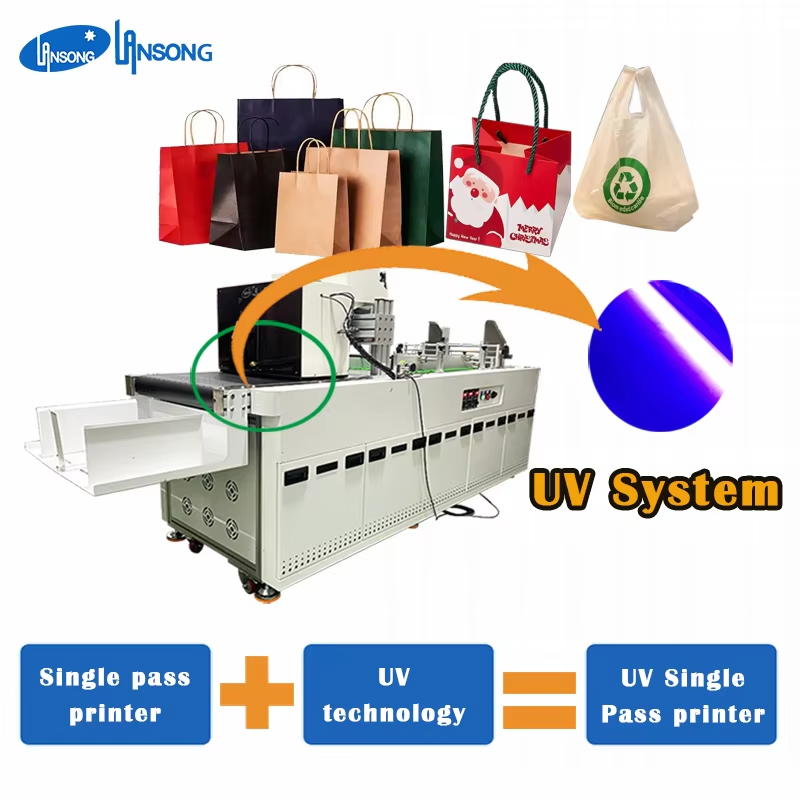
Cost and Time Efficiency with a Digital Printer for Paper Bags
Elimination of Plates and Low Minimum Order Quantities Enable Profitable Short-Run Production
Digital printing gets rid of those expensive custom plates that used to cost hundreds for each color in old school printing methods. Setup costs drop almost to nothing, so companies can actually make money even on small print runs starting at around 1,000 pieces. Brands love this flexibility since they can experiment with seasonal looks or target specific markets without having to stockpile tons of inventory. With basically no money down and no need to store those costly plates anymore, businesses save about 30% of what they'd normally spend on setup. That extra cash goes straight into marketing campaigns or trying out new design ideas. Plus, short run printing helps cut down on wasted stock sitting in warehouses, which aligns nicely with sustainability efforts these days. Best part? No need for all that time consuming retooling stuff. Companies just tweak their designs whenever they want and hit print right away, staying ahead of whatever trend comes next.
70% Faster Turnaround: On-Demand Printing Accelerates Time-to-Market
When companies switch to digital workflows, they can slash production time by around 70% compared to old school methods. Why? Because there's no need for those time consuming steps like making plates, setting things up manually, or running test prints. Once the design files get approved, production kicks off right away, which means waiting periods shrink dramatically—from what used to take weeks down to just a few days. The automation aspect really shines here too. Machines handle loading, printing, and unloading at impressive rates, hitting about 7,200 bags per hour. This kind of speed makes all the difference when businesses need to respond quickly to market changes. Think about it: launching a special promotion, updating packaging due to new regulations, or getting limited edition products on shelves faster than ever before. Instead of waiting ten weeks for new packaging, companies can now have it ready in three. Plus, these on demand systems cut down on warehouse space requirements significantly. Manufacturers don't have to stockpile inventory anymore since everything gets made as needed. Best part? Quality remains rock solid throughout, so products hit store shelves looking great every single time.
Unmatched Customization and Brand Impact via Digital Printing
Digital printing unlocks unprecedented creative freedom for paper bag packaging—removing plate-based constraints and enabling variable data capabilities. Brands can produce limited editions, seasonal designs, and targeted promotions cost-effectively—even at low volumes.
Variable Data Printing Delivers Hyper-Personalized Branding on Every Bag
With variable data printing (VDP), paper bags become much more than just packaging they turn into actual marketing tools. Imagine getting a bag with your name printed on it, or finding a special offer tailored to where you live, maybe even a QR code that takes you straight to some cool bonus material. Studies in the retail sector indicate that when shoppers see personalized packaging, they're about 40% more likely to actually buy something compared to seeing regular old boxes and bags. What makes VDP really useful is how quickly brands can switch things up for different regions, run loyalty rewards programs, or create limited edition items for events. All of this happens through automated systems that still manage to keep production fast enough to handle big orders without breaking a sweat.
Precise Color Reproduction and Vibrancy Strengthen Shelf Appeal Without Traditional Color Matching
Today's digital printers can match Pantone colors pretty accurately, usually staying within a ΔE of less than 2 after proper calibration with spectrophotometers. That beats out most traditional analog printing methods hands down. Most modern systems have expanded gamut capabilities covering around 95% of standard spot colors, which means they handle those flashy metallic tones and create smooth gradients consistently from one print run to another. The water-based UV cured inks get applied in super thin layers, sometimes as little as 10 microns thick. This allows for special tactile effects like soft touch surfaces or spot gloss areas that really make products stand out on store shelves. Getting this kind of precision cuts down on expensive color matching tests and speeds things along significantly. Print shops report cutting their time to market by roughly 70% when working with these advanced systems, based on what we've seen in the industry lately.
Sustainability Advantages of Using a Digital Printer for Paper Bags
Eco-Certified Water-Based Inks and Zero VOC Emissions Meet EU Ecolabel and GOTS Requirements
Digital printing relies on water based inks that meet EU Ecolabel standards as well as those set by the Global Organic Textile Standard (GOTS). These inks get rid of harmful solvents completely and create absolutely no volatile organic compound emissions during production. The difference is huge compared to traditional methods, cutting down on air pollution somewhere around 85 to 90 percent. This not only helps companies stay within environmental regulations but also creates safer working conditions for everyone involved. What's great about third party verified eco labels is they instantly prove a product's green credentials while still maintaining all the qualities we expect from good quality prints. Colors stay vibrant and fabrics remain durable just like their conventional counterparts.
40% Less Material Waste Through Precision Digital Workflow and No Make-Ready Runs
Digital precision slashes material waste by 40%—removing the need for test runs, plate adjustments, and ink overmixing. Unlike traditional processes, digital printing achieves accurate color matching and registration from the first bag:
| Waste Source | Traditional Printing | Digital Printing |
|---|---|---|
| Make-ready test sheets | 15–30 sheets per job | 0 sheets |
| Ink overmixing | 12% excess | 3% excess |
| Substrate spoilage | 8% | <2% |
Source: Sustainable Packaging Coalition 2023 data
This lean approach conserves resources while enabling economical short runs—ideal for seasonal or limited-edition packaging. Combined reductions in energy, water, and raw material use lower carbon footprints and cut annual operational costs by 18–25%.
Scalability and Future-Proof Performance of Modern Digital Printers for Paper Bags
Digital printers today can handle production runs ranging from just 100 pieces all the way up to over 10 thousand units thanks to their software controlled workflow systems. No need for tedious mechanical adjustments or swapping out physical templates when scaling production. The modular design of these machines makes it possible to upgrade incrementally over time. Think things like adding AI based quality checks or automatic color balancing features without having to replace the whole machine. Cloud connectivity brings another layer of convenience. Operators can monitor print jobs remotely and get help fixing problems without waiting for someone onsite. Maintenance bills tend to drop around 30 percent as a result. What really matters though is how well these systems work with new eco friendly materials hitting the market right now. They're compatible with plant derived films and papers made from recycled content blends. This compatibility means businesses investing in digital printing technology are better positioned to meet stricter environmental regulations while also satisfying customers who care increasingly about sustainability issues.
Frequently Asked Questions
What are the benefits of using digital printers for paper bags?
Digital printers offer cost and time efficiency by removing the need for expensive plates, enabling shorter runs, faster production, and unmatched customization possibilities. They also contribute to sustainability via eco-certified inks and reduced material waste.
How does digital printing affect production time?
Digital printing drastically reduces production time, offering up to 70% faster turnaround compared to traditional methods by cutting out plate-making and manual setup processes.
Can digital printers support personalized designs?
Yes, digital printers support variable data printing, allowing brands to engage customers with highly personalized, region-specific designs.
Is digital printing more environmentally friendly?
Digital printing is eco-friendly, using water-based inks that eliminate VOC emissions, resulting in safer production and cleaner air.