 EN
EN

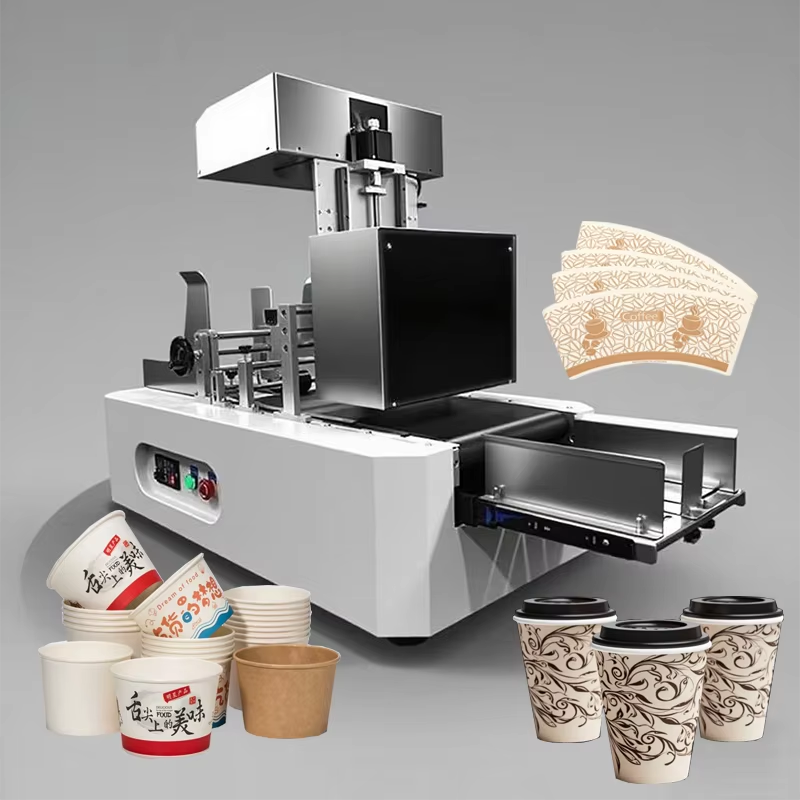
Understanding Paper Bag Printing Technologies
Flexographic vs. Digital vs. Offset Printing for Paper Bags
Flexographic printing dominates high-volume paper bag production, using flexible plates to transfer ink rapidly onto continuous rolls—ideal for standardized designs. It delivers the strongest cost efficiency for orders exceeding 10,000 units, especially with simple logos or repeating patterns. Digital printing eliminates plate costs and accelerates turnaround for short runs (under 500 bags), supporting variable data like QR codes or region-specific promotions. Offset printing offers superior color fidelity and Pantone-matching precision for premium retail applications, though its slower speeds and higher setup complexity increase per-unit costs.
Key Technical Specifications That Impact Print Quality and Speed
Resolution—measured in DPI—directly affects sharpness; 300+ DPI is essential to avoid pixelation in fine typography or detailed logos. Color gamut coverage (e.g., 95% Adobe RGB) ensures consistent vibrancy across diverse substrates like natural kraft, bleached, or post-consumer recycled paper. Throughput speed scales with servo motor accuracy: industrial flexo systems exceed 20,000 bags/hour, while digital printers typically operate between 500–2,000 bags/hour. Ink viscosity control and scheduled maintenance of rollers and impression anvils also influence print consistency and operational uptime.
Matching Printer Capabilities to Your Production Needs
Selecting the optimal paper bag printer requires aligning technical specifications with your operational scale and output goals.
Volume Requirements: From Short Runs to High-Volume Commercial Output
Monthly production volume is the primary determinant of printer suitability. Digital printers excel for short runs under 5,000 units—minimizing setup time, waste, and upfront investment. For operations exceeding 20,000 bags monthly, industrial flexographic systems provide the reliability and throughput needed for continuous production. Industry data confirms that mismatching volume capacity with printer type increases per-unit costs by 30–40%, largely due to unplanned downtime and material inefficiencies.
Bag Size, Material Compatibility, and Customization Flexibility
Before procurement, verify three critical compatibility factors:
- Maximum bag dimensions: Ensure the printer accommodates your largest standard or seasonal bag format
- Material thickness range: Kraft and recycled papers (80–200 gsm) demand precise feed tensioning; mismatched handling causes misregistration or jams
- Customization capabilities: Integrated units for gusset folding, handle attachment, spot UV, or foil stamping eliminate secondary processing—yet 68% of brands in a 2023 packaging survey reported switching printers due to incompatible finishing options.
Evaluating Total Cost of Ownership for a Paper Bag Printer
Evaluating total cost of ownership (TCO) goes beyond the sticker price—it encompasses all expenses incurred over the equipment’s lifecycle to ensure long-term value. Key components include:
- Maintenance: Annual servicing typically adds 10–15% to operating costs—though modern designs with predictive diagnostics reduce unscheduled downtime
- Ink and plate expenses: Flexo and offset rely on plates (recurring cost per design change); digital avoids plates but may use proprietary ink formulations with higher per-liter pricing
- ROI timeline: Most operators achieve payback within 1–3 years—accelerated by higher utilization rates, reduced labor, and lower scrap rates from tighter registration control.
Top Features to Prioritize in a Modern Paper Bag Printer
Selecting equipment with advanced capabilities ensures your packaging operation stays competitive and scalable. Prioritize these proven features:
- Automation level: Fully integrated feeding, printing, and assembly reduces manual intervention—cutting labor costs up to 40% while eliminating alignment errors and operator fatigue
- Precision engineering: Laser-guided registration and servo-driven motion control maintain dimensional accuracy within ±0.5mm across full production runs—even at peak speeds
- Material versatility: Capability to process kraft, recycled, coated, and laminated papers up to 300 GSM supports evolving sustainability mandates and brand differentiation
- Energy efficiency: Variable-speed drives, intelligent sleep modes, and optimized drying systems reduce power consumption by up to 30% versus legacy models
- Safety integration: Dual-channel emergency stops, light curtains, and automatic jam detection meet ISO 13857 standards and protect personnel during high-speed operation
Prioritizing these features balances immediate throughput gains with long-term resilience, regulatory compliance, and operational savings—making your paper bag printer investment both future-ready and financially sound.
FAQs
What is flexographic printing?
Flexographic printing is a technique that uses flexible plates to transfer ink onto paper, ideal for high-volume and standardized designs.
How does offset printing differ from flexographic and digital printing?
Offset printing offers superior color fidelity, making it suitable for premium retail applications where precision is crucial.
What determines the total cost of ownership for a paper bag printer?
Total cost of ownership includes upfront investment, maintenance costs, ink and plate expenses, and the potential ROI timeline.