 EN
EN

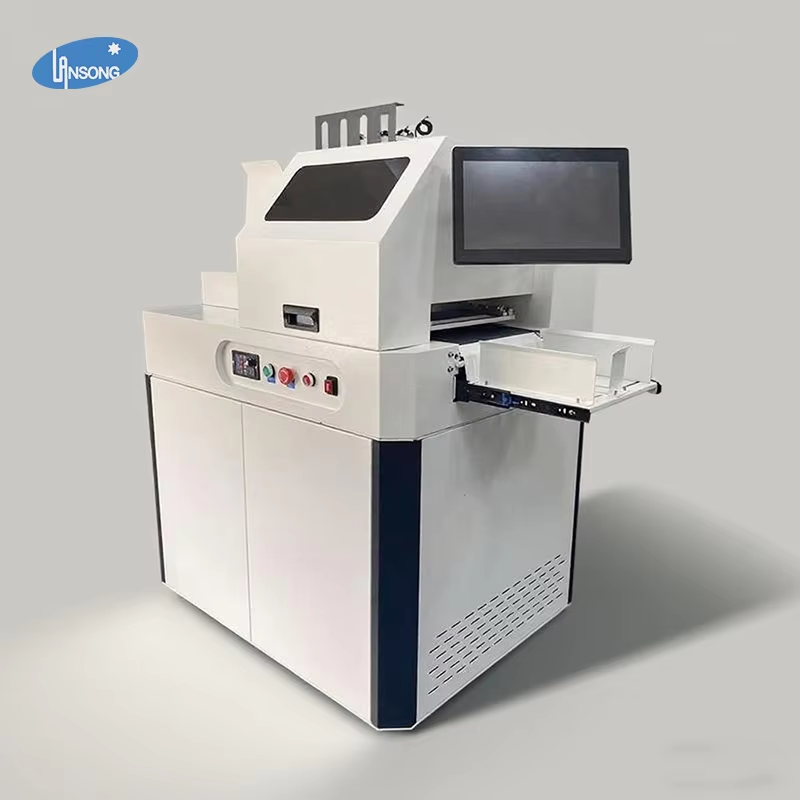
The shift toward sustainable and reusable packaging has propelled corrugated plastic into the spotlight. Unlike traditional paperboard, corrugated plastic—often made from Polypropylene (PP) or Polyethylene (PE)—requires specialized handling to ensure ink adhesion and print durability. A corrugated plastic printing machine is specifically engineered to address these material challenges, offering high-precision output for industries ranging from logistics to retail. By utilizing advanced printing technologies, manufacturers can achieve vibrant, weather-resistant graphics on substrates that are notoriously difficult to treat.
Versatile Industrial Signage and Outdoor Advertising
One of the most prominent applications for the corrugated plastic printing machine is the production of outdoor signage. Real estate "For Sale" signs, political campaign boards, and construction site safety markers frequently utilize corrugated plastic because of its lightweight yet rigid structure. These machines employ UV-curable inks that bond instantly to the plastic surface, creating a finish that withstands UV exposure and rain. Expertise in this field suggests that the mechanical stability of the printer is crucial; maintaining a consistent gap between the print head and the fluted surface of the plastic prevents "banding" and ensures that fine text remains legible even from a distance.
Heavy-Duty Logistics and Reusable Packaging
In the realm of B2B logistics, sustainability is no longer optional. Companies are moving away from single-use cardboard toward returnable plastic crates and dividers. A corrugated plastic printing machine allows for the integration of tracking codes, serial numbers, and corporate branding directly onto these reusable containers. Because these boxes undergo significant physical stress during transit, the printing process must ensure high scratch resistance. Precision engineering in modern printers allows for high-opacity white under-printing, which ensures that logos remain vivid even when applied to dark or colored plastic sheets. This transparency in the manufacturing process ensures that the final product meets the rigorous demands of global supply chains.
Customizable Retail Displays and Point-of-Purchase (POP)
Retailers often require temporary yet sturdy displays for seasonal promotions. Corrugated plastic is an ideal medium for these structures, but the aesthetic requirements are significantly higher than for industrial signage. High-end corrugated plastic printing machine models offer multi-pass printing modes that achieve photographic quality. By analyzing real-world case studies in retail environments, it is evident that high-definition graphics on corrugated plastic increase consumer engagement. The ability to print directly onto the substrate eliminates the need for mounting paper onto plastic, reducing labor costs and material waste while maintaining a professional, expert-level finish.
Precision Components for Technical and Electronic Packaging
Beyond simple boxes, corrugated plastic is used for specialized inserts and protective dividers for sensitive electronic components. These applications require the corrugated plastic printing machine to handle smaller, die-cut pieces with extreme accuracy. In these technical scenarios, the printing often includes ESD (Electrostatic Discharge) warnings or complex assembly instructions. Ensuring content accuracy is vital here; the printing must be legible enough to guide technicians through assembly processes. The engineering logic behind the feed systems of these machines ensures that even thin-gauge plastic sheets do not warp under the heat of UV lamps, preserving the structural integrity of the protective packaging.
Technical Performance and Material Compatibility
When evaluating the performance of a corrugated plastic printing machine, one must look at the technical synergy between the machine's vacuum bed and the plastic’s surface tension. Most high-quality machines include a "Corona treatment" or similar surface preparation stage to increase the dyne level of the plastic, ensuring the ink does not bead or peel. Based on industrial standards, a machine’s ability to handle various thicknesses—ranging from 2mm to 10mm—is a hallmark of its versatility. By focusing on objective data and mechanical reliability, manufacturers can guarantee a high return on investment (ROI) through reduced ink waste and faster throughput speeds, solidifying the machine's role as a cornerstone of modern industrial printing.