 EN
EN

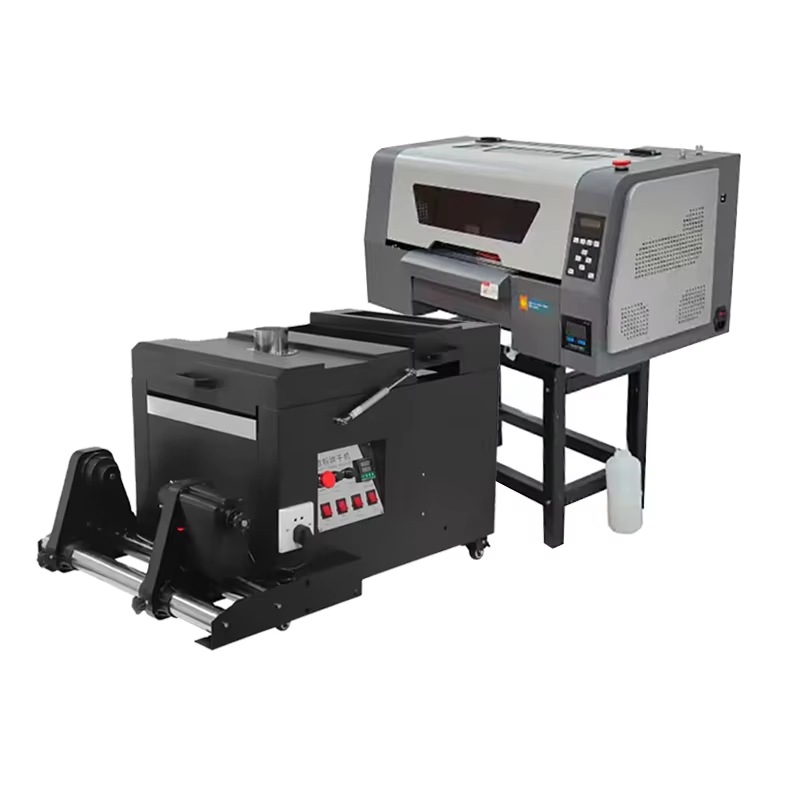
Selecting a top rated dtf printer is a pivotal decision for businesses looking to enter or expand within the digital apparel decoration market. Drawing from years of technical integration and client feedback at PTSC, we have observed that the "best" printer isn't necessarily the most expensive one, but the one that aligns most closely with your specific production volume and material requirements. For instance, in a recent setup for a medium-scale garment factory, the transition from entry-level equipment to a dual-head configuration resulted in a 40% increase in throughput without sacrificing color accuracy. This experience highlights that understanding the mechanical synergy between printheads and powder shaking systems is more critical than simply looking at brand names. When evaluating options, look for machines that utilize stable industrial-grade components, as these minimize downtime during peak production cycles.
Technical Core: Understanding Printhead Configuration and Precision
Expertise in DTF (Direct to Film) technology starts with the printhead—the heart of the machine. A top rated dtf printer typically utilizes advanced Epson heads, such as the I3200-A1, which are engineered for high-resolution output and longevity. These heads allow for precise droplet placement, which is essential when printing complex gradients or fine lines. From a technical perspective, the stability of the carriage movement and the quality of the ink supply system are what determine the consistency of the print. Our analysis of high-performance models shows that integrated capping stations and automated cleaning cycles are non-negotiable features. These systems prevent ink sedimentation and nozzle clogging, which are the primary causes of hardware failure in humid or dusty workshop environments. By focusing on these engineering details, you ensure that the machine delivers professional-grade results consistently over thousands of meters of film.
Production Workflow: The Importance of Integrated Powder Management
Authoritative industry standards emphasize that the DTF process is a two-part system: printing and curing. A machine might produce a beautiful image, but if the integrated powder shaker and dryer are not synchronized, the final product will fail wash tests. To ensure the highest level of durability, the heating elements must maintain a uniform temperature across the entire width of the film. Leading industry experts recommend systems with infrared drying and cooling fans that stabilize the PET film before it is rolled. This prevents the "oily" residue often found in lower-quality setups. At PTSC, we ensure our configurations utilize a mesh belt conveyor system, which provides more stable film tension than simple roller systems, leading to better registration and fewer wasted materials. This holistic approach to the workflow is what separates professional equipment from hobbyist tools.
Transparency and Practical Value: Maintenance and Operating Costs
Trustworthiness in purchasing industrial equipment comes from a clear understanding of the total cost of ownership (TCO). A top rated dtf printer must be serviceable. When choosing your equipment, verify the transparency of the manufacturer regarding spare parts availability and technical support. Practical value is found in features like the "white ink circulation system," which keeps the pigment in motion to prevent settling—a common issue that can ruin a printhead in days if left stagnant. Based on real-world data, machines equipped with these circulation systems report 60% fewer maintenance interventions. Furthermore, ensure the RIP (Raster Image Processor) software included is compatible with your existing design workflow. A machine that integrates seamlessly into your current digital environment saves time, reduces the learning curve for staff, and provides a faster return on investment.
Material Compatibility and Application Versatility
Finally, the value of a top rated dtf printer lies in its versatility across different fabrics. Unlike traditional DTG (Direct to Garment) which is largely limited to cotton, a high-quality DTF system should handle polyester, nylon, and blends with equal proficiency. The key here is the chemistry of the TPU powder and the flexibility of the ink layer. Through rigorous testing, we have found that the combination of high-stretch ink and fine-grain powder allows for transfers that maintain a soft "hand-feel" even on lightweight sports apparel. When selecting your printer, ask for sample prints on various substrates to check for opacity and stretchability. A machine that offers this level of application diversity allows your business to pivot between custom corporate wear, high-end fashion, and rugged workwear without needing multiple hardware setups.
Frequently Asked Questions (FAQ)
What is the most important maintenance task for a DTF printer?
The most critical task is managing the white ink system. Because white DTF ink contains titanium dioxide, it is heavier and settles quickly. You must ensure your printer has an active circulation system and perform a daily nozzle check to prevent clogging.
Can I use any DTF ink and powder with a top-rated printer?
While many third-party options exist, it is highly recommended to use the ink and powder specifically calibrated for your machine’s printheads. Using mismatched consumables can lead to poor color profiling and may significantly shorten the lifespan of the printheads.
How much space do I need for a professional DTF setup?
A professional setup, including the printer and the automatic powder shaker/dryer, typically requires a well-ventilated area of at least 10-15 square meters. Proper ventilation is essential to safely exhaust the fumes generated during the powder curing process.