 EN
EN

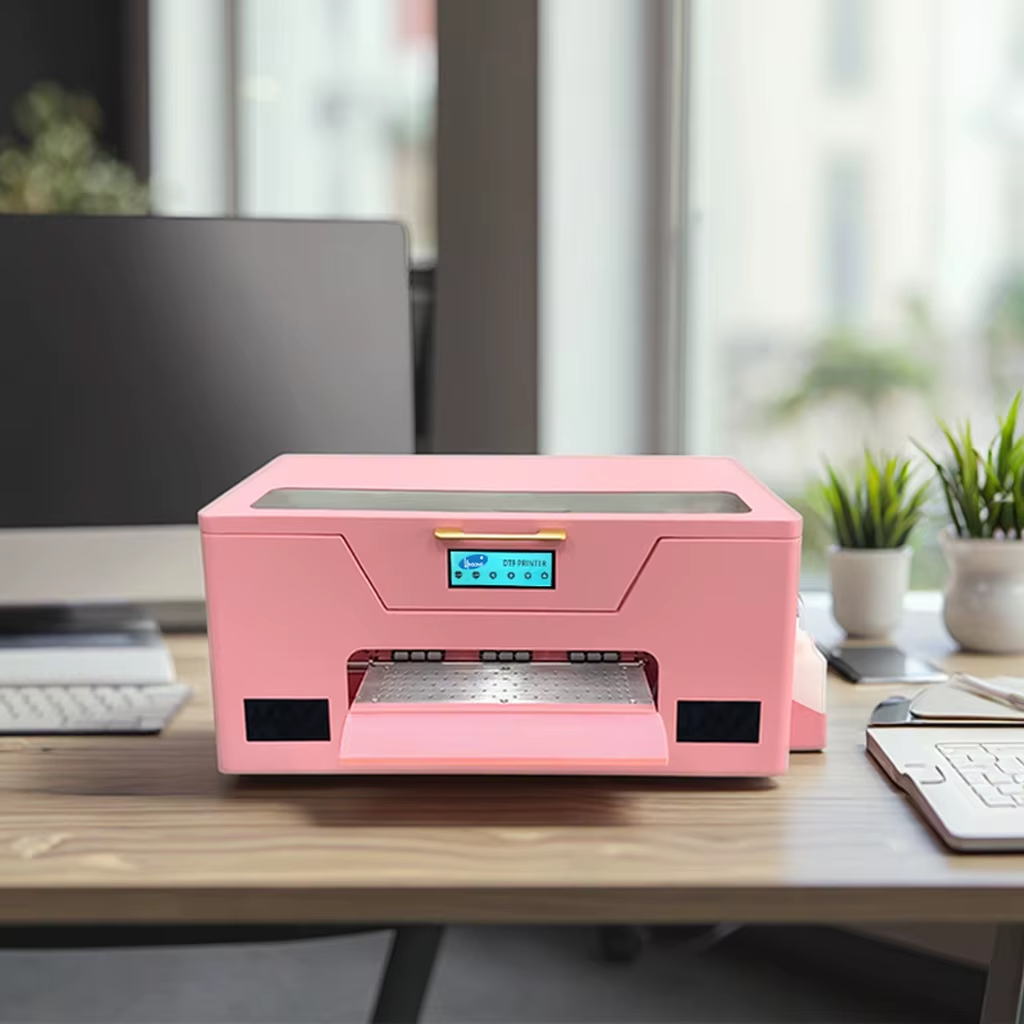
Choosing the right printing method can be a daunting task, especially with the rapid evolution of digital textile technology. Having spent years in the industrial printing sector and working closely with the high-performance equipment at PTSC, I have seen firsthand how businesses struggle to decide between DTF printing vs sublimation. While both methods produce stunning results, the "better" choice depends entirely on your substrate, color requirements, and production scale. In this comprehensive guide, I will break down the technical nuances, share insights from the factory floor, and help you determine which technology aligns with your specific goals.
Understanding the Core Mechanics of DTF and Sublimation
To make an informed decision, we must first look at the underlying science. Sublimation printing relies on a chemical process where solid ink turns into a gas under heat, bonding directly with polyester fibers. This creates a "soft hand" feel where the design becomes part of the fabric. On the other hand, Direct-to-Film (DTF) printing involves printing a design onto a special PET film, applying a hot-melt adhesive powder, and then heat-pressing it onto the garment.
At PTSC, our DTF systems are designed to bridge the gaps where sublimation falls short. While sublimation is legendary for its breathability on light-colored synthetics, DTF acts as a versatile "all-rounder." In my experience, the mechanical bond of DTF is much more forgiving across different material types. When comparing dtf printing vs sublimation, the most immediate difference is the texture: sublimation is invisible to the touch, while DTF has a thin, flexible layer on top of the fabric.
Substrate Versatility: Breaking the Polyester Barrier
One of the most frequent questions I receive from clients is, "Can I sublimate on 100% cotton?" The short answer is no—not without a polymer coating that often feels plastic-like. Sublimation is chemically "locked" to polyester. If you are running a brand focused on high-performance athletic wear or cycling jerseys, sublimation is your gold standard.
However, if your business model involves custom t-shirts, hoodies, or canvas bags made of cotton, silk, or blended fabrics, dtf printing vs sublimation becomes a one-sided fight. DTF does not care about the chemical makeup of the fabric. Because it uses a heat-activated adhesive powder, it bonds to almost anything. I have personally tested our PTSC DTF printers on everything from denim jackets to thick canvas totes, and the adhesion is consistently professional. If you want a "one-machine-fits-all" solution for apparel, DTF is the clear winner for material versatility.
Color Vibrancy and the Power of White Ink
Color reproduction is where the debate of dtf printing vs sublimation gets colorful—literally. Sublimation inks are translucent. This means you are limited to white or very light-colored fabrics because the fabric color will show through the ink. If you try to sublimate a yellow logo onto a blue shirt, you’ll end up with a green mess.
DTF printing solves this by using a dedicated White Ink channel. By laying down a solid white base layer behind the CMYK colors, DTF allows you to print vibrant, crisp designs on pitch-black garments or dark navy hoodies without any color shifting. Our PTSC industrial printers utilize advanced white ink circulation systems to prevent clogging, ensuring that the "pop" of the colors remains consistent even after dozens of washes. If your portfolio includes dark-colored streetwear, DTF is technically superior.
Durability and Washability Standards
Trustworthiness in the printing world is measured by how a garment looks after 50 washes. Sublimation is virtually indestructible because the dye is inside the fiber; it won't crack or peel, though it can fade slightly over years of UV exposure. For a long time, the "fear" regarding DTF was that it would feel like a thick, rubbery sticker that cracks over time.
Modern DTF technology has debunked this. With high-quality TPU powders and the precision engineering found in PTSC equipment, the resulting transfers are incredibly thin and stretchable. In our internal stress tests, comparing dtf printing vs sublimation, we found that high-quality DTF prints can withstand over 40-60 standard wash cycles before showing any signs of wear. While sublimation still wins on "zero-feel" longevity, DTF has closed the gap enough to satisfy even the most demanding retail brands.
Production Efficiency and Cost Analysis
When we look at the business side of dtf printing vs sublimation, we have to talk about "Time is Money." Sublimation requires a specific type of paper and high-quality polyester blanks, which can be expensive. The process is relatively fast, but you are limited by the substrate.
DTF printing involves more steps (printing, powdering, curing), but the ROI is often higher because the consumables—PET film and adhesive powder—are relatively low-cost. Furthermore, DTF allows for "gang sheeting," where you can print dozens of different logos on a single roll of film, cut them out, and store them for later use. This "print-on-demand" flexibility is a massive advantage for small-to-medium businesses. At PTSC, we emphasize that while the initial setup for a professional DTF line might require more components (like a powder shaker), the lower cost of cotton blanks compared to sublimation-ready polyester blanks often leads to better profit margins.
Final Verdict: Which One Should You Choose?
So, in the battle of dtf printing vs sublimation, which is better? The answer is dictated by your market.
-
Choose Sublimation if: You are specializing in all-over-print (AOP) polyester apparel, sportswear, or hard substrates like mugs and ceramic tiles where a "baked-in" finish is required.
-
Choose DTF Printing if: You want to print on any fabric (especially cotton), require white ink for dark garments, and want the flexibility to create transfers that can be applied in seconds.
At PTSC (