 EN
EN

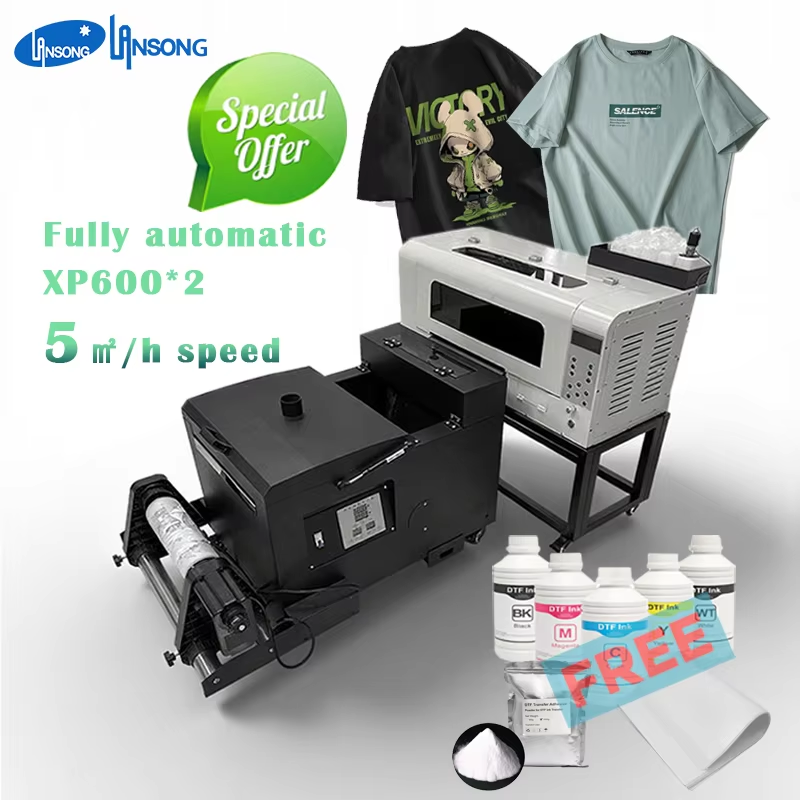
For years, the holy grail of custom t-shirt decoration has been achieving a design that is not only vibrant and durable but also feels incredibly soft to the touch. Direct-to-film (DTF) printing has emerged as a revolutionary technology, offering a compelling solution. However, the hand feel of a DTF transfer is not automatic; it is the result of specific materials and techniques. As a professional digital printer manufacturer, Shenzhen Shenchuangxing Technology Co., Ltd. understands that the key to customer satisfaction lies in mastering this balance. This guide will walk you through how to achieve a premium, soft hand feel with your dtf printing t shirts.
Understanding the Components: The Powder Makes the Difference
The primary factor influencing the feel of a DTF print is the hot-melt adhesive powder applied to the wet ink. This powder is what allows the design to bond permanently with the fabric. Standard powders can create a thick, plastic-like layer on top of the garment. To achieve a soft hand feel, you must use a fine-particle, low-melt adhesive powder specifically designed for softness. These powders are engineered to melt and integrate more deeply into the fibers of the t-shirt, rather than sitting heavily on top. The particle size is crucial; finer powder creates a thinner adhesive layer, resulting in a more flexible and less noticeable print. Our company's recommended consumables are rigorously tested to ensure this delicate balance between adhesion strength and a soft finish, a critical detail for any professional printer solution.
Mastering the Application: Temperature, Time, and Pressure
Even the best materials will fail without precise application. The process of heat pressing a DTF transfer is where the powder's chemistry meets physics. The goal is to fully melt the adhesive so it flows and encapsulates the fabric's fibers. This requires a careful combination of three factors: temperature, time, and pressure. Using a heat press that offers consistent and accurate temperature control is non-negotiable. Too low a temperature, and the adhesive won't fully activate, leading to poor washability and a stiffer feel. Too high, and you risk burning the fibers or creating a brittle, plasticky layer. Similarly, firm, even pressure ensures the molten adhesive is pushed into the textile structure. This thorough integration is what creates a soft, "part-of-the-garment" feel rather than a stiff patch stuck on top. High-quality, stable equipment, like the DTF printers we manufacture, is designed to produce transfers that respond perfectly to this critical process.
Choosing the Right Film and Ink for Flexibility
The foundation of your transfer also plays a significant role. The PET film you use should have a release coating that allows the design to separate cleanly without leaving a residue. More importantly, the ink layer itself needs to be flexible. DTF printing relies on pigment inks, and their formulation can impact the final feel. High-quality inks are designed to maintain elasticity after curing. When combined with a soft, flexible adhesive, the entire ink-plus-adhesive layer can move and stretch with the fabric. This synergy between ink and adhesive prevents cracking and ensures the print remains supple. At Shenzhen Shenchuangxing Tech, our integrated solutions ensure that the inks and films we supply are perfectly matched to our printers, eliminating guesswork for your production team and ensuring a consistently soft outcome for your dtf printing t shirts.
Optimizing Your Printing Technique: Less is More
In DTF printing, the thickness of the ink and powder layer directly correlates to the final hand feel. A common mistake, especially for beginners, is applying too much powder or printing with excessively high ink saturation. While you want vibrant colors, a "heavy-handed" approach creates a thick, raised print that feels rubbery. The goal is a "whisper-thin" layer of ink and adhesive. Modern DTF software and printers, like those from our company, allow for precise control over ink limits and powder application. By calibrating your printer to use the optimal amount of material, you ensure the design is visually striking without unnecessary bulk. This minimalist approach, guided by professional equipment, is the secret to achieving that coveted soft-hand feel that rivals even high-end screen printing.
The Role of the Garment: Fabric Matters
Finally, remember that the hand feel is a sensation involving both the print and the fabric. The type of t-shirt you are printing on significantly affects the perception of softness. A design that feels slightly raised on a stiff, heavyweight cotton might feel perfectly integrated and soft on a lightweight, ringspun cotton or a poly-cotton blend. Ringspun cotton has finer fibers and a smoother surface, which allows the molten DTF adhesive to bond more seamlessly. Blends containing polyester can sometimes yield an exceptionally soft result because the heat press can slightly texture the synthetic fibers, helping the adhesive lock in. As a professional manufacturer, we always advise our clients to consider the end garment as part of the printing equation, helping them achieve the best possible results for their customers.