 EN
EN

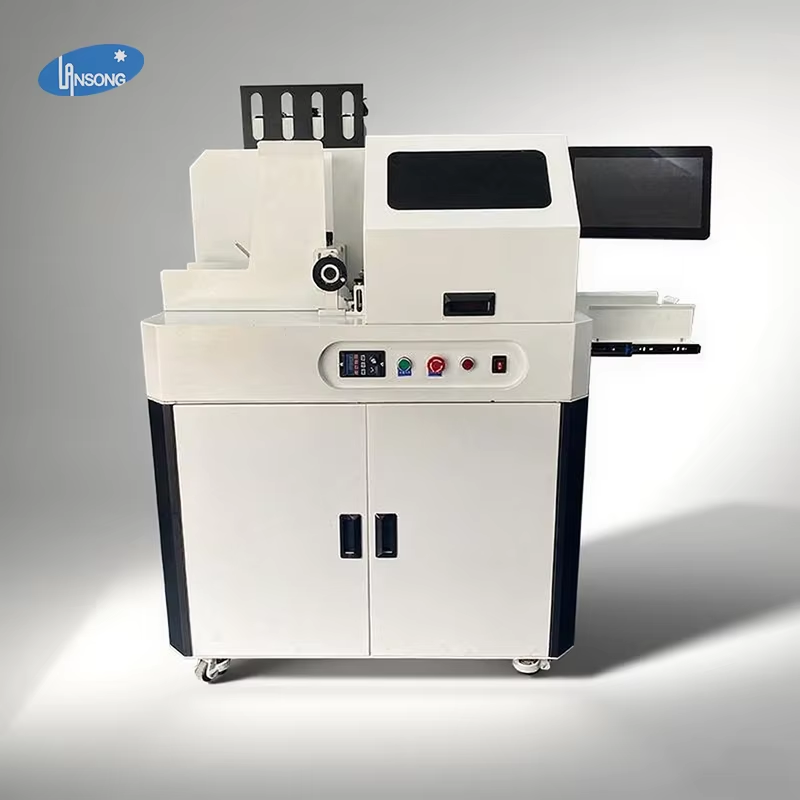
Packaging Production: Speed, Customization, and Substrate Flexibility
Short-Run Waterproof and Heat-Resistant Label Printing
Single pass printers are really good at making those special labels needed in tough industrial settings. These machines can crank out labels at impressive speeds sometimes going over 300 feet per minute straight through while still keeping things accurate and durable enough for harsh conditions. For businesses needing small batches of waterproof or heat-resistant labels, this technology makes financial sense especially when looking at food packaging where moisture is always an issue, chemicals that need proper labeling, and medicines that must stay clearly marked throughout their shelf life. What sets them apart from older printing techniques is how they keep everything aligned properly and ensure the ink sticks to all sorts of different materials from plastic films to rough paper surfaces even shiny metallic coatings. Plus, manufacturers know these systems meet all the necessary FDA requirements plus European Union safety regulations so there's no extra hassle getting approvals down the line.
UV-LED curing instantly polymerizes inks, creating labels that withstand moisture, extreme temperatures (–40°F to 400°F), and chemical exposure—making them ideal for freezer storage, autoclave sterilization, and outdoor logistics. This eliminates secondary coating or laminating steps, reducing production time by up to 70%.
Direct-to-Box Branding and Variable Promotional Inserts
Single-pass technology transforms secondary packaging by enabling high-resolution, variable-data printing directly onto corrugated boxes, rigid cartons, and promotional inserts—at full production speeds. Brands leverage this capability for mass customization:
- Unique QR codes, serialized batch numbers, or region-specific promotions printed on every box
- Instant design changes between batches—no physical plate changes required
- Vibrant, durable graphics applied directly to recycled, kraft, or uncoated board—no pre-treatment needed
- Personalized seasonal offers or loyalty program details embedded inside packages
This agility supports responsive marketing strategies, allowing manufacturers to align packaging with regional trends or limited-edition campaigns within standard production cycles. A leading beverage company cut changeover time from 45 minutes to under 90 seconds while sustaining an output of 2,500 boxes per hour.
Signage & Wide-Format Graphics: High-Volume Outdoor and Retail Applications
Billboards, Vehicle Wraps, and Trade Show Displays at Production Scale
Single pass printers have really changed how we produce large format graphics for both outdoor signage and retail needs. These machines can crank out massive billboards, wrap entire vehicles, and create exhibition displays at incredible speeds sometimes hitting over 10,000 square feet per hour. Compared to older multi-pass or flatbed systems, this is about a 70 percent boost in productivity which cuts down project timelines substantially. Retail businesses love this tech because it lets them get seasonal window graphics up quickly and install point of purchase displays right when needed. When local campaigns need fast turnaround times, these quick production capabilities actually impact customer foot traffic and sales conversions directly. The out-of-home advertising market worth around $8.7 billion according to OAAA data from 2023 is leaning heavily on this speed advantage particularly for those last-minute promotions that need to go up in busy city centers and along transportation routes where timing matters most.
UV-LED Curing for Durable Signage on Non-Porous and Rigid Substrates
UV-LED curing enables instant ink polymerization, ensuring long-term performance on challenging surfaces like acrylic, aluminum composites, PVC, glass, and textured plastics. Compared to traditional solvent- or latex-based alternatives, it delivers superior weather resistance, color stability, and substrate compatibility—without requiring lamination.
| Performance Metric | Traditional Printing | Single Pass + UV-LED |
|---|---|---|
| Weather Resistance | 6–12 months | 3–5 years |
| Color Retention | 70% after 1 year | 95% after 3 years |
| Application Range | Flexible media only | Rigid metals, glass, textured plastics |
By eliminating post-print finishing steps, UV-LED integration reduces signage finishing costs by 40% and expands application possibilities—from architectural signage to industrial-grade labels and functional overlays for harsh environments like construction sites or automotive assembly lines.
Industrial Part Marking and Functional Printing Beyond Aesthetics
Precision Marking of Electronic Components and Automotive Metal Surfaces
Single pass printers can create high-resolution permanent marks right on those complicated industrial parts we see all over the place these days. Think circuit boards, engine blocks, transmission housings, even parts for medical devices. The systems put down alphanumeric IDs, 2D codes, safety warnings, and whatever regulatory stuff needs to be there while keeping up with production line speeds. This helps manufacturers track products throughout their lifecycle, especially important in industries like cars, planes, and electronics where documentation matters so much. What sets single pass printing apart from other methods like thermal transfer, laser etching or regular inkjet is how well it holds up. Marks stay clear and stick properly even on tricky surfaces that are curved, indented, or have texture. They remain legible after going through temperature changes or getting exposed to harsh chemicals too, which makes them pretty reliable for long-term use in demanding environments.
Functional printing goes beyond simple identification by incorporating conductive, resistive, or even dielectric inks all in one go. These special inks let manufacturers build sensors, antennas, or actual circuitry right into products as they print them. Take automotive parts for instance when makers apply smart sensor lines straight onto car control modules. This allows continuous monitoring of how components perform without needing extra hardware. The whole process makes manufacturing much simpler, saves on materials since there's less waste from multiple parts, and opens doors to creating smarter components we never thought possible before. Many companies are starting to see this as a game changer for their production lines.
Why Single Pass Printers Are Transforming Industrial Manufacturing Workflows
The rise of single pass printers is changing how things get made in factories. These machines replace those complicated, old-school multi-pass systems with something much simpler - just a fixed printhead setup. When it comes to full color printing, everything happens at once as materials pass under these stationary heads. The speed? Some models can crank out over 1000 square meters per hour. What makes this approach so good? Less maintenance headaches, lower power usage, and operators don't need to constantly check on things. Plus there's about half the waste compared to traditional methods when looking at both labor costs and materials wasted during production runs.
What makes this tech really stand out is how it separates customization costs from actual production expenses. Setup times for different jobs now clock in at just a few minutes instead of stretching into hours, which means companies can run profitable small batches, create multiple product versions, and respond directly to what customers want when they want it. The system works on all sorts of materials too—from stretchy plastic films to sturdy cardboard boxes, composite panels, and even metal surfaces—something that brings together separate processes that used to be stuck in their own corners of the factory floor. Packaging lines, sign makers, and industrial label printers are suddenly talking the same language. Manufacturers are seeing a big change happening right now. They're moving away from old-school methods where everything had to follow strict forecasts toward something much more flexible and reactive. Even when markets swing wildly, these new systems keep delivering top-quality products while still meeting all regulatory requirements and maintaining good output rates.
FAQ
What is single pass printing technology?
Single pass printing involves using fixed printheads to apply inks or coatings to materials in a single operation, which allows for rapid production speeds and reduced complexity in manufacturing workflows.
How does UV-LED curing improve label production?
UV-LED curing instantly polymerizes inks, which provides moisture and chemical resistance and eliminates the need for secondary coating or laminating, reducing production time significantly.
Why is single pass technology beneficial for packaging?
Single pass technology allows for high-resolution printing directly onto various packaging substrates at full production speeds, enabling mass customization with quick changeover times and vibrant graphics application without pre-treatment.
What are the advantages of using single pass printers for signage?
Single pass printers offer significant productivity boosts for creating large format graphics like billboards and vehicle wraps, eliminating post-print finishing steps and enabling durable signage production on various substrates.
How do single pass printers impact industrial manufacturing?
Single pass printers reduce maintenance headaches, power usage, and material waste while enabling quick setup times, cost-effective small batches, and high-speed customization for diverse materials.